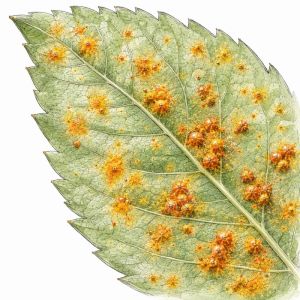
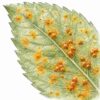
Few things worry gardeners more than spotting strange orange, yellow, or rusty-colored spots spreading across healthy leaves seemingly overnight. One day your hollyhocks look perfect. A week later, the undersides of the leaves are covered in powdery orange pustules and the foliage is beginning to yellow and collapse.
Welcome to the world of rust fungus.
Rust diseases are among the most common fungal problems in ornamental gardens, vegetable patches, orchards, and landscapes. They spread quietly, thrive in humid conditions, and can weaken plants dramatically if left unmanaged. The good news? Most rust diseases are manageable once you understand how they work.
What Is Rust Fungus?
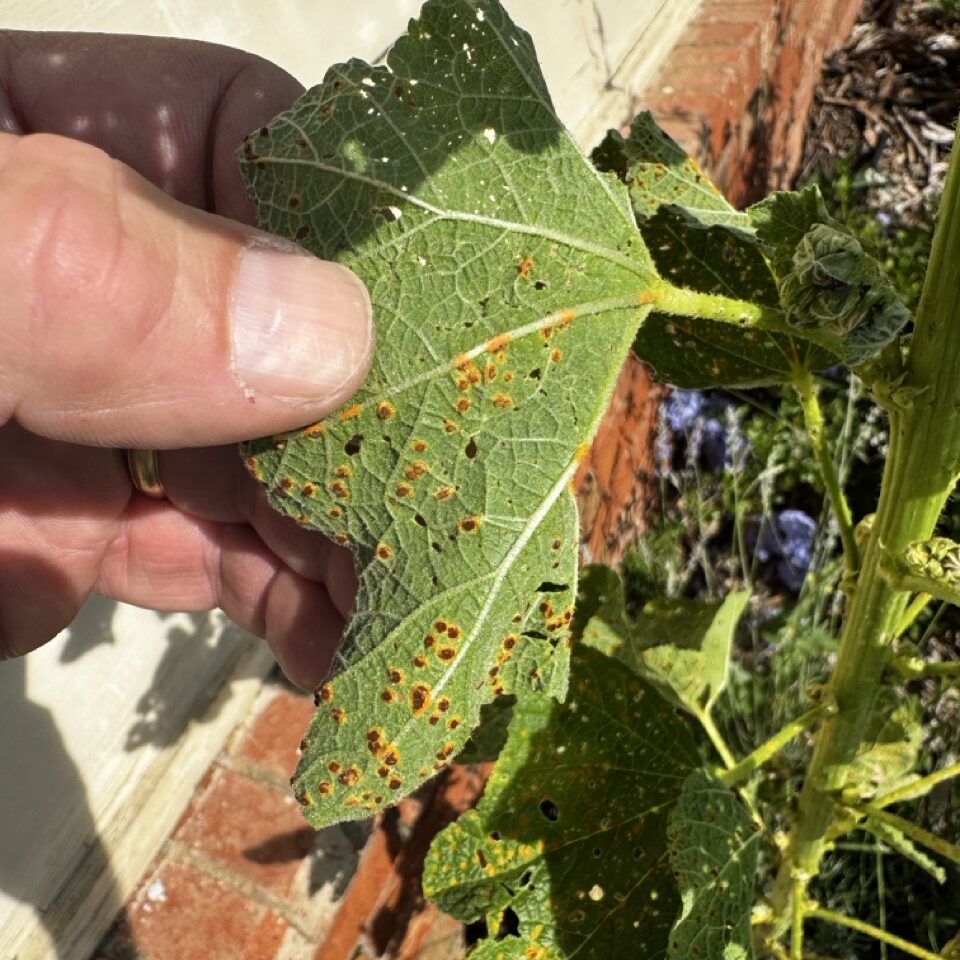
Rust fungus is a group of fungal diseases that produce distinctive orange, rust-colored, yellow, brown, or even black spore pustules on leaves and stems. These fungi belong primarily to the order Pucciniales and are highly specialized, meaning many types only infect certain plants.
The “rust” name comes from the powdery spores that resemble iron rust dusting the foliage.
Unlike general fungal diseases, rust fungi often require very specific environmental conditions and host plants to complete their life cycle.
What Rust Fungus Looks Like
Common symptoms include:
- Orange, yellow, or reddish pustules on the undersides of leaves
- Speckled or spotted upper leaf surfaces
- Premature yellowing
- Distorted foliage
- Leaf drop
- Weak or stunted growth
- Powdery spores that rub off on your fingers
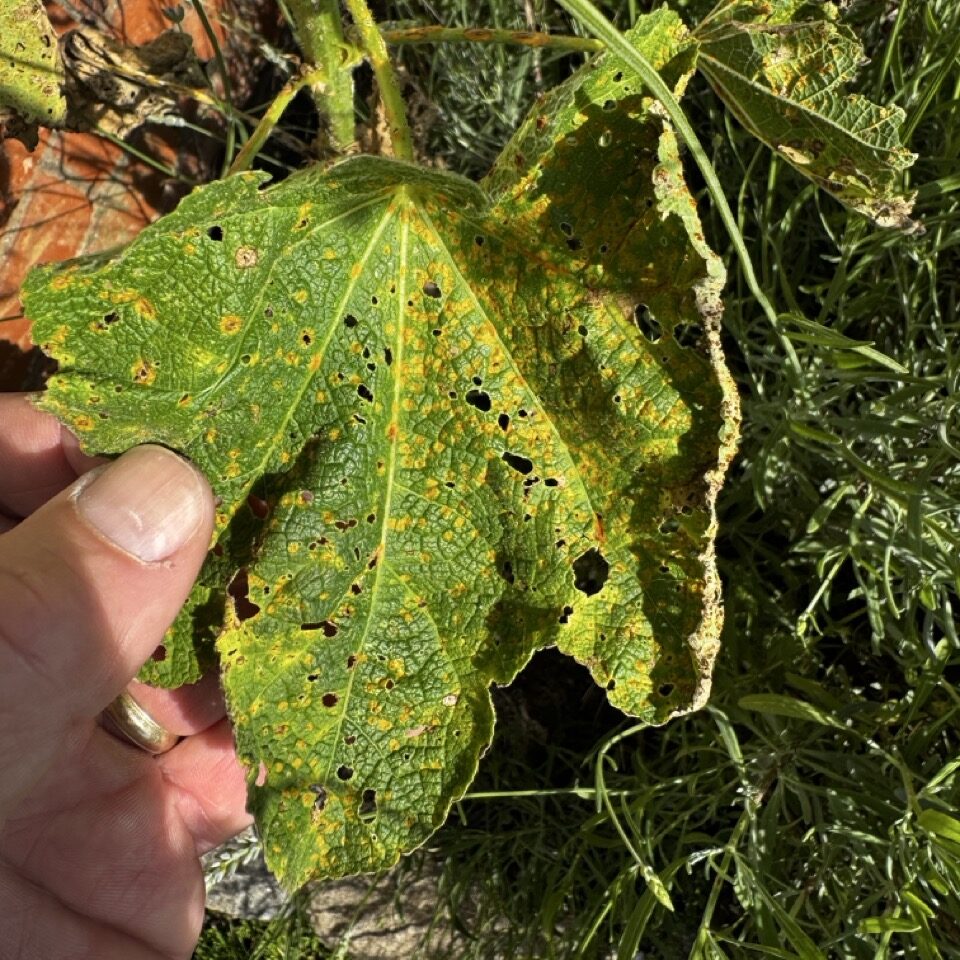
Many gardeners first notice the disease when brushing against infected foliage and seeing orange powder stain their hands.
Plants Commonly Affected by Rust Fungus
Hollyhocks
Hollyhock rust is legendary among gardeners and one of the most reliable signs of summer humidity arriving. Left unchecked, it can strip a plant of most of its foliage by midsummer — just as it’s hitting peak flower. The good news is that hollyhocks are tough and often recover with proper care.
- Bright orange pustules on leaf undersides
- Yellow spotting on upper leaf surfaces
- Rapid defoliation in humid weather
→ Complete Hollyhock Growing Guide
Roses
Rose rust is less common than black spot but spreads fast once established. It tends to appear in cooler, coastal climates rather than hot dry summers, and can noticeably weaken flowering if left untreated.
- Orange or rusty pustules on leaf undersides and stems
- Yellow leaf spots on upper surfaces
- Early leaf drop and reduced blooms
Daylilies
Daylily rust arrived in North America relatively recently and spread aggressively. It thrives in warm, humid conditions and can move quickly through a border planting.
- Yellow streaking on foliage
- Orange powdery spores on leaf surfaces
- Declining vigour and fewer blooms over time
Beans
Bean rust is one of the most common vegetable garden fungal problems. It tends to appear mid-season and can reduce yields significantly if plants are heavily infected during pod development.
- Tiny rust-coloured pustules across leaf surfaces
- Premature leaf loss
- Reduced pod set and yield
Snapdragons
Rust spreads rapidly through dense snapdragon plantings, especially in cool humid weather. It often goes unnoticed until a large portion of the foliage is affected.
- Brown or orange pustules on leaves and stems
- Leaf spotting and yellowing
- Weakened flowering and early dieback
→ Complete Snapdragon Growing Guide
Garlic and Onions
Rust on alliums tends to appear during cool, damp periods in spring and can be mistaken for other deficiencies early on. Severe infection reduces the energy available for bulb development.
- Orange lesions on foliage
- Dying and collapsing leaf tips
- Smaller than expected bulb size at harvest
→ Complete Garlic Growing Guide | Complete Onion Growing Guide
Pear Trees
Pear trellis rust is distinctive for its complex two-host life cycle — it requires both a juniper and a pear-family plant to complete its cycle. If you have junipers growing near your pear trees, this is worth watching for.
- Bright orange spots on upper leaf surfaces
- Tube-like structures on leaf undersides later in season
- Fruit deformities and significant defoliation in bad years
Lawn Grass
Turf rust is often the last thing gardeners think of when they see a yellowing lawn, but it’s more common than most people realise — especially in late summer when growth slows.
- Orange dust visibly coating shoes after walking the lawn
- Yellowing or thinning turf areas
- Weak regrowth and reduced density
Why Rust Fungus Spreads So Easily
Rust spores spread by:
- Wind
- Water splash
- Overhead irrigation
- Wet foliage
- Crowded planting conditions
- Humid weather
Once established, some rust fungi can produce enormous numbers of spores capable of infecting nearby plants rapidly.
Conditions That Encourage Rust
Rust fungi thrive when:
- Leaves stay wet for extended periods
- Air circulation is poor
- Nights are cool and humid
- Plants are overcrowded
- Watering occurs late in the day
Many outbreaks begin during late spring and intensify through summer humidity.
How to Prevent Rust Fungus
Improve Airflow
Proper spacing dramatically reduces disease pressure. Avoid planting susceptible varieties too close together, and thin crowded growth regularly throughout the season.
Water the Soil, Not the Leaves
Drip irrigation or soaker hoses are ideal. If overhead watering is unavoidable, do it early in the morning so foliage has time to dry completely before nightfall.
Remove Infected Foliage
At the first sign of pustules, remove affected leaves and dispose of them in the bin. Never compost heavily infected leaves unless your compost pile reliably reaches very high temperatures.
Avoid Evening Watering
Wet leaves overnight are an open invitation for fungal disease. Shifting your watering routine to morning is one of the simplest and most effective preventative steps you can take.
Mulch Around Plants
A layer of mulch around the base of plants helps prevent spore splash from soil to foliage during rainfall and irrigation.
Choose Resistant Varieties
Many modern cultivars have been bred with improved disease resistance. If rust is a recurring problem in your garden, it’s worth checking resistance ratings when selecting new plants.
How to Treat Rust Fungus
Early action makes a significant difference with rust. Once spores are spreading freely, you’re managing rather than curing — so catching it at the first sign of pustules gives you the best outcome.
1. Remove Infected Foliage First
Effort level: Low–Medium | Cost: Free
Before reaching for any spray or treatment, remove affected leaves by hand. This immediately reduces the spore load and slows spread to healthy growth.
- Pick off leaves showing pustules or heavy spotting
- Bag and bin them — do not compost unless your pile reaches very high temperatures
- Wash your hands and tools after handling infected material to avoid transferring spores
Pro tip: Even removing the worst 20–30% of affected foliage before applying any treatment dramatically improves results.
2. Copper Fungicide
Effort level: Low | Cost: Low–moderate | Best for: Ornamentals, fruit trees, vegetables
Copper-based fungicides are one of the most effective and widely available treatments for rust. They work as a protectant, preventing new infection rather than curing existing pustules.
- Apply at the first sign of disease, before infection spreads
- Cover leaf undersides thoroughly — that’s where spores live
- Repeat every 7–14 days during humid weather or after heavy rain
- Approved for use in organic growing systems
3. Sulfur Fungicide
Effort level: Low | Cost: Low | Best for: Roses, ornamentals, vegetables
Sulfur is another proven option, particularly effective on roses and ornamentals. It works both as a protectant and has some curative action on early infections.
- Do not apply when temperatures exceed 32°C (90°F) — risk of leaf burn
- Do not use within two weeks of an oil-based spray
- Apply every 7–10 days during active disease pressure
4. Neem Oil
Effort level: Low | Cost: Low | Best for: Preventative use, mild infections
Neem oil is most effective as a preventative spray applied before disease establishes, or at the very first sign of infection. It is less effective on advanced rust but valuable as part of a regular spray programme.
- Mix with water and a small amount of dish soap to emulsify
- Apply in the early morning or evening to avoid leaf scorch
- Repeat every 7–14 days through the growing season as a preventative
5. Biofungicides
Effort level: Low | Cost: Moderate | Best for: Organic growers, sensitive plants
Products based on Bacillus subtilis or similar beneficial organisms are certified organic and can be used preventatively or as part of a rotation with other treatments. They tend to work best when applied consistently before disease pressure builds.
Treatment Strategy by Situation
| Situation | Recommended approach |
|---|---|
| First signs of rust on a few leaves | Remove affected foliage + neem oil spray |
| Moderate infection spreading across plant | Remove foliage + copper or sulfur fungicide |
| Severe infection, most foliage affected | Hard cut back + copper fungicide + improve airflow |
| Preventative programme through humid season | Neem oil or biofungicide every 10–14 days |
| Fruit trees (pear rust) | Copper fungicide + remove alternate juniper hosts if possible |
🌿 MASTER GARDENER TIP
Rust fungi are often species-specific. Rust on your hollyhocks will usually not spread to your tomatoes or roses. Correct plant identification helps determine the best treatment and prevention strategy — and avoids unnecessary spraying of healthy plants nearby.
💡 DID YOU KNOW?
Some rust fungi have incredibly complex life cycles and require two completely different host plants to survive. Cedar-apple rust, for example, alternates between juniper trees and apple-family plants — meaning removing one host from the equation can break the cycle entirely.
Frequently Asked Questions
Will rust fungus kill my plants?
Rust fungus rarely kills established plants outright, but repeated heavy infections weaken them significantly over time. Plants that defoliate early miss out on the photosynthesis they need to build energy reserves for next season. Consistent management keeps most plants healthy and productive despite rust pressure.
Does rust fungus spread from plant to plant?
Yes — but usually only between plants of the same species or closely related family. Rust fungi are highly host-specific, meaning hollyhock rust won’t spread to your roses, and bean rust won’t infect your daylilies. That said, within the same plant species, spores spread readily by wind and water splash.
Can rust fungus spread to humans or pets?
No. Plant rust fungi are completely harmless to humans and animals. The orange powder may stain clothing temporarily, but there is no health risk from contact with infected plants.
What’s the difference between rust fungus and powdery mildew?
Both are common fungal diseases but they look and behave differently. Powdery mildew produces a white or grey powdery coating, usually on upper leaf surfaces, and tends to appear during dry conditions with cool nights. Rust produces orange, yellow, or brown pustules primarily on leaf undersides and is associated with humid, wet conditions.
Should I pull out plants with rust fungus?
In most cases, no. Removing and discarding heavily infected annual plants at the end of the season is good practice, but established perennials and shrubs can usually be managed through pruning, treatment, and improved conditions. Pulling healthy plants is rarely necessary unless the infection is severe and recurring year after year despite treatment.
When is the best time to spray for rust fungus?
Early morning is ideal — it gives foliage time to dry during the day, and most fungicides are more effective on dry leaf surfaces. Avoid spraying in full sun or high heat, and never spray when rain is forecast within 24 hours as it will wash the product off before it can work.
Final Thoughts
Rust fungus may look alarming when you first spot it, but most outbreaks are more manageable than they appear. The plants listed here have all been dealing with rust diseases for centuries — and with good spacing, careful watering, and early intervention, the majority will come through the season in good shape.
If you spotted rust this morning, here’s where to start:
- Put on gloves and remove the worst-affected leaves now
- Check whether your plant is listed above and follow the relevant guide
- Apply a copper or neem oil spray this evening
- Review your watering — switch to morning watering if you haven’t already
Catch it early, act consistently, and your garden will thank you.
Looking for more? Browse our growing guides for hollyhocks, roses, beans, and more in the Celtic Farm Plant Library.


More From Our Master Gardener





Special Gifts for Gardeners
Shop Our Gardening Gift Boxes

5 Star Reviews for Our Hori Hori

Recent Posts


Spider Mites on Dahlias — How to Spot Them Before They Destroy Your Plants

Garden Microclimates: How to Find and Use the Hidden Climate Zones in Your Yard
Bark vs Wood Chips vs Straw — Which Mulch Actually Works Best?

Why Your Tomatoes Split, Crack, and Rot — And the Simple Fix Most Gardeners Miss
Rust Fungus on Plants – Identification, Prevention & Treatment Guide