The last petals have fallen.
After weeks of anticipation, your peonies have finished their spectacular spring display, and now you’re left with a garden full of lush green foliage and one important question:
What should I do now?
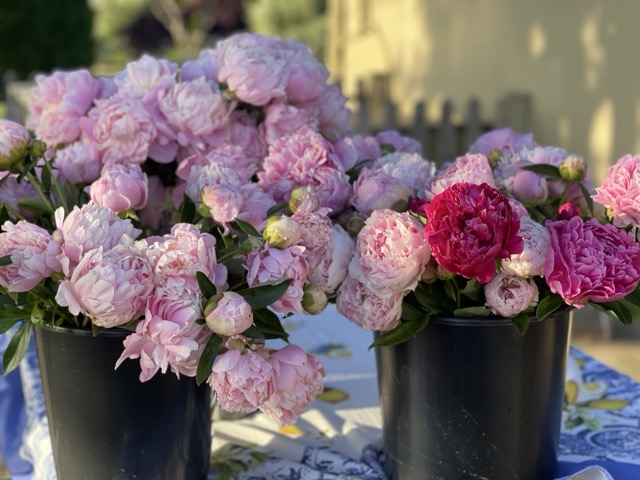
This is one of the most important stages in the life of a peony.
While the flowers may be gone, the plant is entering its most critical growth phase. Over the coming weeks and months, it will store energy, strengthen its root system, and form the flower buds that will become next spring’s spectacular blooms.
Many gardeners unknowingly reduce next year’s flowers by making a few simple mistakes after blooming ends.
Fortunately, they’re easy to avoid.
Here’s exactly what your peonies need after they bloom.
Why Peony Care After Blooming Matters
Think of your peony like a rechargeable battery.
Blooming requires an incredible amount of stored energy. Once flowering is complete, the plant shifts from producing blossoms to rebuilding its reserves. Every healthy leaf keeps capturing sunlight through photosynthesis and converting it into carbohydrates stored deep within the roots.
Those stored carbohydrates fuel next year’s flowers.
The healthier your foliage remains through summer and early fall, the stronger and more abundant your blooms will be next spring.
🌸 Did You Know?
Peonies are among the longest-lived ornamental plants you can grow. It’s not uncommon for a healthy peony to bloom beautifully for 50 years or more, and many historic gardens still showcase peony plants that are 75 to well over 100 years old. Some heirloom varieties have even been passed from one generation to the next.
Ironically, one of the most common reasons peonies stop blooming isn’t because they’re old—it’s because they’re moved too often.
Unlike many perennials, peonies dislike being disturbed. Once established, they prefer to stay exactly where they are, rewarding patient gardeners with larger plants and increasingly spectacular blooms every year.
Plant them for yourself… and the next generation.
Deadhead the Spent Flowers
Once the petals begin dropping, remove the faded blooms.
Allowing the plant to produce seeds requires energy that could instead be stored in the roots for next year’s flowers.
Using clean, sharp pruners:
- Follow the flower stem down to the first strong set of leaves.
- Make a clean cut just above that leaf node.
- Remove only the flower stem.
Leave every healthy leaf intact. For more – sharpening your pruners.
Leave the Foliage Alone
This is the mistake that disappoints more gardeners than almost any other.
Once flowering ends, many people cut the entire plant to the ground.
Don’t.
Those green leaves are now doing the most important job of the year. Think of every leaf as a tiny solar panel—throughout summer they collect sunlight and manufacture the energy needed to develop next year’s flower buds.
Removing healthy foliage too early dramatically reduces the amount of energy the plant can store, often resulting in fewer or smaller blooms the following spring.
Unless disease is present, leave the foliage until autumn.
Continue Watering
Although flowering has ended, your peony is still actively growing underground.
Its roots continue expanding and storing carbohydrates throughout summer.
Provide approximately 1 inch (2.5 cm) of water per week, either from rainfall or irrigation. What is an inch?
Water deeply rather than frequently, allowing the upper inch or two of soil to dry slightly between waterings.
Peonies appreciate consistent moisture, but they dislike wet feet.
Feed the Soil—Not the Plant
Many gardeners instinctively reach for a high-nitrogen fertilizer after blooming.
That usually isn’t necessary.
Too much nitrogen encourages lush foliage at the expense of flower production.
Instead, focus on improving the soil itself. Excellent choices include:
- Compost
- Leaf mold
- Well-aged composted manure (applied lightly)
- A balanced slow-release fertilizer if a soil test indicates deficiencies
Healthy soil supports healthy roots. Healthy roots produce healthy flowers.
🌱 Master Gardener Tip: Don’t Bury Your Peonies
One of the most overlooked reasons mature peonies stop blooming is that they’ve gradually become planted too deeply.
How does that happen? Every year, gardeners add another layer of compost or mulch around the plant. Over time, the soil level slowly rises until the growing buds—known as the eyes—are buried too deeply.
For herbaceous peonies, the eyes should sit only 1–2 inches (2.5–5 cm) below the finished soil surface. Even an extra inch of soil can result in beautiful green foliage…but few or no flowers.
When applying mulch or compost:
- Spread it around the drip line, not directly over the crown.
- Keep mulch to about 1–2 inches deep.
- Leave a small mulch-free ring around the base of the plant.
Remember: peonies don’t like to be tucked in.
Giving the crown room to breathe is one of the simplest ways to encourage reliable blooms year after year.
Inspect for Disease
With the flowers gone, it’s much easier to inspect the foliage.
Watch for:
- Botrytis blight
- Powdery mildew
- Black spots
- Damaged stems
- Insect feeding
Remove only infected or damaged tissue. Healthy foliage should remain until autumn.
Watering at the base of the plant and improving airflow can significantly reduce disease pressure.
Support Heavy Plants
Some peony varieties continue leaning after flowering, especially following heavy rain.
If stems begin to flop:
- Install a peony support ring.
- Tie stems loosely with soft garden twine.
- Avoid forcing stems tightly upright.
Supporting the plant improves appearance while also increasing airflow around the foliage.
Decide Whether to Keep the Seed Pods
Many gardeners wonder if the seed pods should remain.
If your goal is maximum flowering next year, removing spent blooms is recommended because it redirects energy back into the plant.
However, peony seed pods are surprisingly beautiful and provide ornamental interest well into summer.
If you’re interested in collecting seed or experimenting with hybridizing peonies, leave a few pods to mature naturally. Otherwise, deadheading remains the best choice.
Watch for Summer Heat Stress
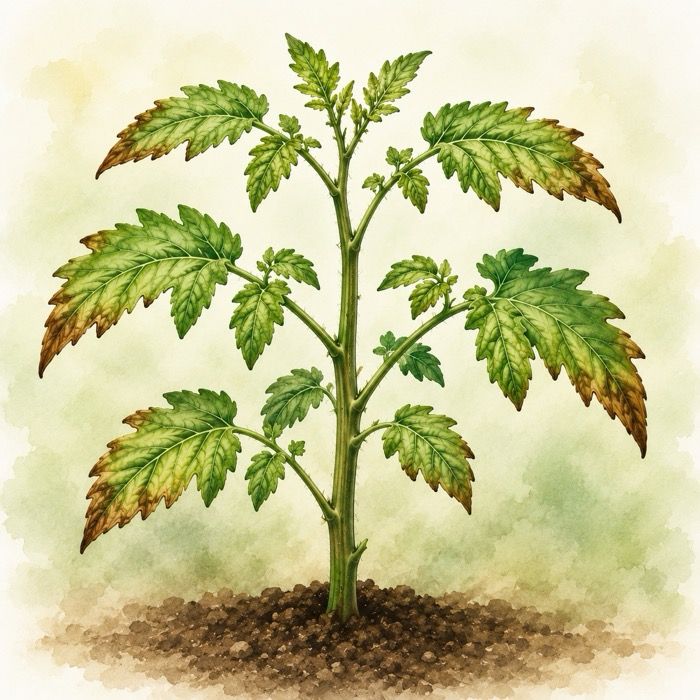
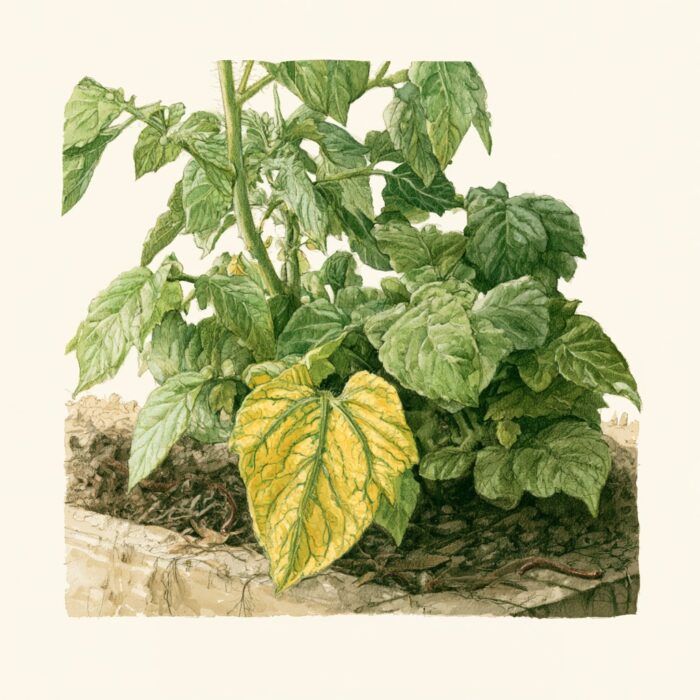
By midsummer, particularly in warmer climates, peony foliage may begin showing signs of heat stress, including:
- Brown leaf edges
- Minor yellowing
- Temporary wilting
- Leaf scorch
This is often a response to prolonged heat rather than disease.
Maintain consistent moisture and apply a light layer of mulch around—but never directly over—the crown to help regulate soil temperature.
Wait Until Fall to Divide
Although flowering has finished, summer is not the ideal time to divide peonies.
The plant is actively rebuilding its root system.
Wait until early fall, when temperatures begin cooling but several weeks remain before the ground freezes.
Dividing at the proper time gives roots the best opportunity to establish before winter dormancy.
Cut Back After the First Frost
As autumn arrives, the foliage will naturally yellow and die back.
This is completely normal.
After the first hard frost:
- Cut stems back to 1–2 inches above the soil.
- Remove all foliage and debris.
- Dispose of diseased material rather than composting it.
This simple cleanup helps reduce fungal diseases the following spring.
Common Mistakes Gardeners Make After Peonies Bloom
Avoid these common errors:
- Cutting healthy foliage too early.
- Applying heavy nitrogen fertilizers.
- Allowing soil to remain constantly wet.
- Burying the crown beneath mulch or compost.
- Dividing plants during summer.
- Assuming the plant is finished growing after flowering.
Remember…
The flowers may be finished. The plant isn’t.
The Annual Peony Care Calendar
Early Spring
- Remove winter mulch.
- Apply compost if needed.
- Install support rings before stems elongate.
Late Spring
- Enjoy the blooms.
- Harvest flowers for bouquets.
- Deadhead spent blossoms.
Summer
- Leave foliage intact.
- Water during dry periods.
- Monitor for disease.
- Avoid excessive nitrogen fertilizer.
Early Fall
- Divide or transplant if necessary.
After the First Frost
- Cut foliage back to 1–2 inches.
- Remove plant debris.
- Clean up around the crown.
Winter
Allow your peonies to rest naturally and avoid disturbing the crown.
Frequently Asked Questions
Should I cut my peonies back after they bloom?
No. Remove only the spent flowers. Healthy foliage should remain until after the first hard frost.
Do peonies need fertilizer after flowering?
Usually not. Compost or a balanced, slow-release fertilizer is generally sufficient if your soil needs improvement. Avoid heavy nitrogen applications.
Can I stop watering after blooming?
No. Peonies continue developing roots and storing energy throughout summer. Deep watering during extended dry periods supports next year’s blooms.
Should I remove the seed pods?
If your goal is maximum flowering, yes. If you enjoy their ornamental appearance or want to collect seed, leave a few to mature.
When should I cut peonies back?
Wait until after the first hard frost, when the foliage has naturally died back.
The Bottom Line
When your peonies finish blooming, they’re not finished growing.
In many ways, they’re entering the most important phase of the year.
The weeks following bloom determine how much energy the plant stores, how healthy its roots become, and how spectacular next spring’s display will be.
Treat those green leaves like an investment.
Because while this year’s flowers may be gone…
Next year’s flowers are already being built beneath the soil.


More From Our Master Gardener





Special Gifts for Gardeners
Shop Our Gardening Gift Boxes

5 Star Reviews for Our Hori Hori