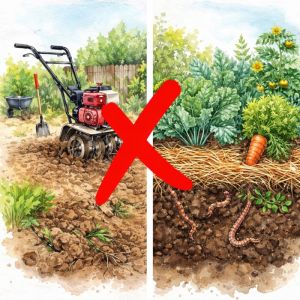
Are there really benefits of no-till gardening/farming?
Most gardeners are told to till their soil every season… but what if that’s actually setting your garden back?
No-till gardening is one of the biggest shifts I’ve made as a Master Gardener—and once you understand what’s happening beneath the surface, it’s hard to go back.
Let’s dig into the four proven benefits of no-till gardening—and why this approach is gaining momentum with experienced growers.
What Is No-Till Gardening
No-till gardening (also called no-dig gardening) is a method where you avoid disturbing the soil structure. Instead of turning or breaking up the soil, you build it from the top down using compost, mulch, and organic matter.
This approach mimics how soil develops in nature—layer by layer, with minimal disruption.
The 4 Proven Benefits of No-Till Gardening
1. Protects Soil Structure
Healthy soil isn’t just dirt—it’s a living structure made up of aggregates, air pockets, and channels that allow water and roots to move freely.
Tilling breaks apart those natural structures, leading to compaction and reduced drainage over time.
Master Gardener Tip – Think of your soil like a sponge. Once you tear it apart repeatedly, it loses its ability to hold water and air effectively.
Did You Know – Research from Oregon State University shows that tilling weakens soil structure and can increase runoff and erosion.
2. Boosts Soil Life
Beneath your feet is an entire ecosystem—worms, fungi, bacteria, and beneficial organisms all working together to feed your plants.
Tilling disrupts this network, especially delicate fungal connections that help plants absorb nutrients.
No-till gardening allows this biology to thrive, creating healthier, more resilient soil over time.
Master Gardener Tip – If you want better plants, feed the soil life—not just the plant.
3. Reduces Weed Pressure
Every garden has a “weed seed bank” buried in the soil. When you till, you bring those dormant seeds to the surface—right into perfect growing conditions.
No-till gardening keeps those seeds buried, while mulch blocks light and prevents germination.
Did You Know – Many weed seeds can remain viable in soil for years—until they’re exposed to light and oxygen.
4. Improves Water Retention
No-till soils develop better structure and higher organic matter, which means they hold onto moisture longer and allow water to infiltrate more effectively.
This translates to less watering and more drought resilience—especially important in hot summer months.
Master Gardener Tip – Mulch is your best friend in a no-till system. It protects the soil surface and locks in moisture where it matters most.
The Tradeoffs of No-Till Gardening
No-till isn’t magic—and it’s important to understand the transition.
In the first season, you may notice slower initial growth as the soil ecosystem rebuilds. It also requires consistent use of mulch and organic matter to be successful.
But over time, the benefits compound—and the soil does more of the work for you.
How to Start No-Till Gardening
Getting started is simple:
- Add a layer of compost to your soil surface
- Cover with organic mulch (straw, leaves, or wood chips)
- Avoid digging or turning the soil
- Plant directly into the top layer
If you’re building a new bed, this method works especially well alongside raised bed gardening techniques.
Learn More About Building Healthy Soil
If you’re interested in going deeper, check out these guides:
- Organic Fertilizer: Nourishing Your Garden Naturally
- Composting Guide for Gardeners
- Mulching Guide: How to Protect and Feed Your Soil
Watch the Full No-Till Breakdown
Want to see exactly how this works step-by-step?
Backed by research from university extension programs and soil science studies, no-till gardening is one of the most effective ways to build healthier, more productive soil over time.

More From Our Master Gardener





Special Gifts for Gardeners
Shop Our Gardening Gift Boxes

5 Star Reviews for Our Hori Hori
Recent Posts

Curling Leaves: What Your Garden Is Trying to Tell You
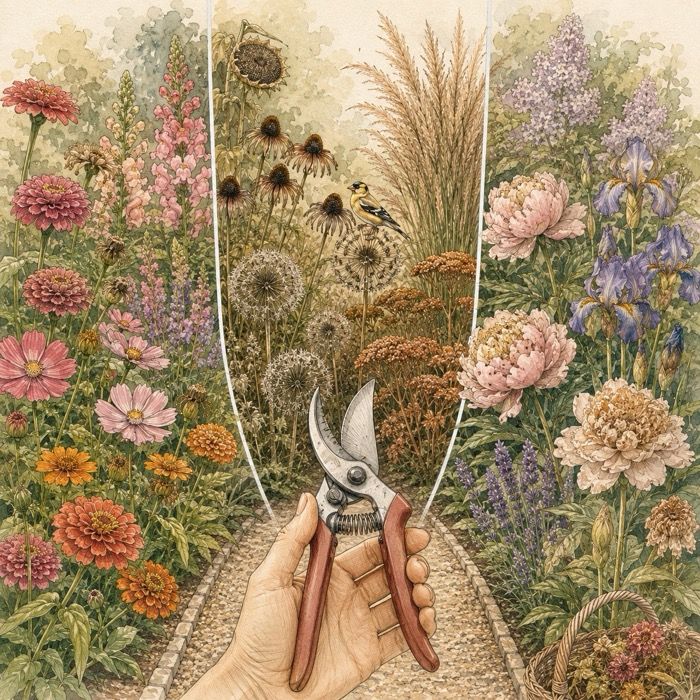
Deadheading Guide: What to Deadhead & What to Leave Alone
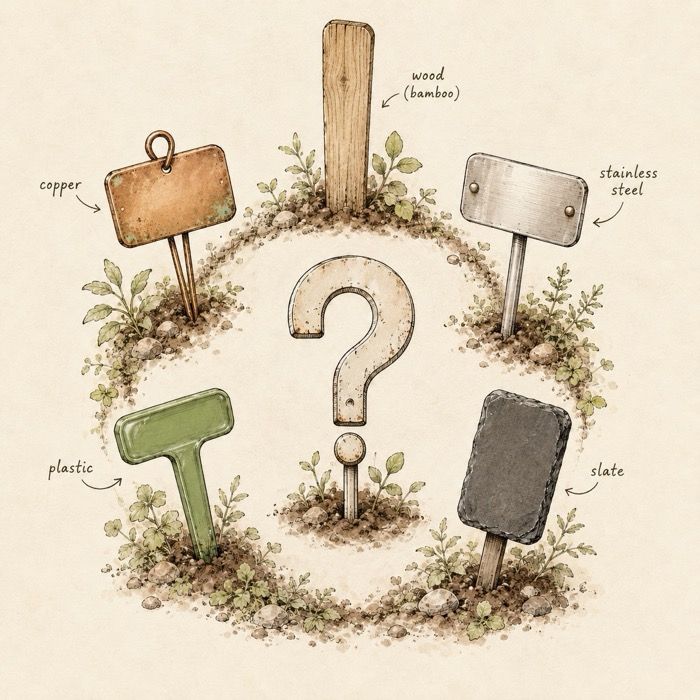
Wood, Copper, or Stainless: The Best Garden Markers for Every Part of Your Garden

July Garden Signals: Yellow Leaves, Peony Aftercare & the Knee-High Rule
Why Won’t My Soil Absorb Water? What Your Garden Is Trying to Tell You