Most pollinator gardens explode with color in spring — and then quietly fade into ecological silence the rest of the year.
By midsummer, nectar sources begin to disappear.
By fall, critical migration fuel is scarce.
By winter, the habitat many insects depend on is often cleaned away.
A thriving pollinator garden isn’t just a moment of bloom — it’s a 12-month ecosystem that supports bees, butterflies, and beneficial insects year-round.
Creating a truly pollinator-friendly garden requires more than planting flowers. It requires thinking about how your garden provides food, water, and shelter through every season.
When those elements are present all year, your garden becomes more than beautiful — it becomes a resilient and living habitat.

The Three Pillars of a Pollinator Habitat
Every successful pollinator garden is built on three essentials.
Food
Pollinators rely on nectar and pollen for energy and protein. A healthy garden should provide flowering plants from early spring through late fall.
Water
Bees and butterflies need water for drinking and cooling during hot weather.
Shelter
Native bees, butterflies, and beneficial insects need places to nest, overwinter, and hide from predators.
Many gardeners focus only on flowers, but habitat structure is just as important as bloom color.
Pollinator Garden Plants for Every Season
One of the most important steps in creating a pollinator garden is ensuring that flowers bloom continuously from early spring through fall.
This steady sequence of nectar sources keeps pollinators visiting your garden all season long.
Early Spring Pollinator Plants
Early bloomers provide critical food when pollinators first emerge from winter dormancy.
Reliable early sources include:
- Crocus
- Grape hyacinth
- Lungwort
- Redbud
- Willow
- Dandelion
Many native bees emerge weeks before most garden flowers bloom, making these early plants essential.
Summer Pollinator Plants
Summer is peak pollinator activity. Diversity is the key to maintaining a healthy ecosystem.
Excellent summer bloomers include:
- Lavender
- Bee balm
- Coneflower (Echinacea)
- Agastache
- Salvia
- Black-eyed Susan
Lavender is especially attractive to bees and butterflies. If you grow lavender, our complete guide covers planting, pruning, and harvesting:
Fall Pollinator Plants
Fall is one of the most important seasons for pollinators, especially migrating butterflies and overwintering bees.
Late-season bloomers include:
- Asters
- Goldenrod
- Sedum
- Joe-Pye weed
- Mexican sunflower
Goldenrod is often blamed for allergies, but the real culprit is ragweed. Goldenrod pollen is too heavy to travel through the air and it provides one of the most important late-season nectar sources for pollinators.
Spring — The Wake-Up Season
As temperatures warm, early pollinators emerge hungry after months of dormancy.
Food can be scarce at this time of year, which makes early flowers incredibly valuable.
Delay the First Lawn Mowing
Allow dandelions and clover to bloom before the first mow of the season. These plants provide an essential first meal for emerging bees.
Protect Ground-Nesting Bees
Roughly 70% of native bees nest in the soil.
Leave small patches of bare ground where solitary bees can establish nests. Avoid excessive tilling or heavy mulch in these areas.
If you’re interested in learning more about the insects visiting your garden, our guide to native bees is a great place to start:
Summer — Hydration and Housing
Summer brings the highest pollinator activity, but it also introduces stress from heat and drought.
Provide Water
During extreme heat, pollinators often spend more time searching for water than nectar.
A shallow dish filled with pebbles or stones allows insects to drink safely without drowning.
Support Nesting Habitat
If you install nesting tubes or bee houses, place them in a southeast-facing location so they receive warming morning sunlight.
Inspect occasionally for mold, pests, or parasitic wasps.
Fall — The Energy Season
Fall is the most overlooked season in pollinator gardening.
This is when insects gather energy reserves for migration and winter survival.
Plant Late-Season Nectar Sources
Flowers like asters and goldenrod act as fuel stations for migrating monarch butterflies and other insects preparing for winter.
Leave the Seed Heads
Instead of deadheading everything, allow dried flower stalks and seed heads to remain.
They provide:
- winter food for birds
- shelter for insects
- visual interest in the garden
Winter — The Habitat Season
In winter, the value of your pollinator garden lies in the debris that many gardeners instinctively remove.
A perfectly tidy garden is often an ecological desert.
Save Hollow Stems
Many native bees overwinter inside the hollow stems of plants like:
- raspberry
- elderberry
- bee balm
- coneflower
These stems act as natural nesting chambers.
Leave the Leaves
Fallen leaves provide a thermal blanket protecting cocoons and larvae through winter.
Instead of removing them, allow leaves to remain under shrubs and perennial beds.
Delay Spring Cleanup
The golden rule of pollinator gardening:
Wait until temperatures remain consistently above 50°F (10°C) before cutting back stems and clearing debris.
This allows overwintering insects to safely emerge.
Why Pollinator Gardens Matter
A pollinator garden isn’t simply a flower bed.
It’s a living food web.
When your garden provides nectar, water, and habitat throughout the year, pollinator populations become more stable. This improves pollination, strengthens plant health, and naturally supports beneficial insects that help control pests.
In time, your garden becomes a small but powerful ecological refuge.
Expert Tip — Label Pollinator Plants
Many gardeners enjoy identifying which plants support different pollinators.
Small plant markers placed near host plants can help visitors understand which insects rely on them.
Durable copper plant labels work especially well for marking pollinator-supporting plants:
For larger pollinator gardens, decorative garden signs can also help explain the purpose of your habitat plantings:
• https://shop.thecelticfarm.com/collections/garden-signs?utm_source=blog&utm_medium=blog-post&utm_campaign=pollinator-garde/products/custom-name-garden-sign-made-in-usa-with-american-cedar
Educational markers turn your pollinator garden into both a habitat and a teaching space.
Pollinator Garden FAQ
What plants attract pollinators the most?
Plants rich in nectar and pollen such as lavender, bee balm, coneflower, asters, and goldenrod are excellent pollinator plants.
Do pollinator gardens require native plants?
Native plants are often the most beneficial, but many traditional garden flowers also provide valuable nectar sources.
How large should a pollinator garden be?
Even a small garden bed or container garden can support pollinators if it includes diverse flowering plants and habitat.

More From Our Master Gardener




Special Gifts for Gardeners
Shop Our Gardening Gift Boxes

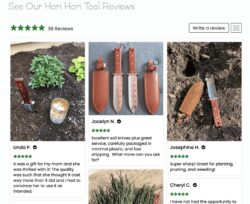
5 Star Reviews for Our Hori Hori
Recent Posts

Deadheading Guide: What to Deadhead & What to Leave Alone
Wood, Copper, or Stainless: The Best Garden Markers for Every Part of Your Garden
July Garden Signals: Yellow Leaves, Peony Aftercare & the Knee-High Rule
Why Won’t My Soil Absorb Water? What Your Garden Is Trying to Tell You
What Dragonflies Are Telling You About Your Garden