Why Bare Soil Feels Wrong — And Why It Isn’t (Most of the Time)
Walk past a freshly planted bed and that familiar feeling hits.
It looks… unfinished. Gaps between plants. Patches of dark soil staring back. Open space that seems to beg for something more.
Your brain whispers: “Add something. Cover it. Make it lush.”
Most gardeners never voice it, but many feel it — a quiet discomfort with visible soil. I call it The Empty Pot Syndrome– the instinctive urge to pack every inch, driven by our wiring to complete patterns and eliminate what looks like absence.
But in gardens, absence often equals function.
The Psychological Trap
Humans dislike incompleteness. An empty chair at dinner feels off. A blank wall begs for art. Bare soil triggers that same unease — like neglect or failure.
Yet ecology does not share our horror vacui. Natural plant communities are mosaics, not carpets. They contain openings for light, airflow, regeneration, and wildlife movement. What reads as sparse to us is often structural balance in the system.
Nature leaves space on purpose.
The Hidden Cost of Filling Every Gap
When we crowd plants to eliminate visible soil, we don’t just change the look of a bed — we change its microclimate.
Dense canopies trap humidity. Leaves stay wet longer after irrigation or rain. Airflow slows around stems and crowns.
University extension resources consistently identify proper spacing as one of the most effective cultural controls against disease. Overcrowding increases the risk of powdery mildew, botrytis, blight, bacterial leaf spots, and crown rots.
Plants don’t become diseased because they are weak. They become diseased because we’ve engineered a humid, stagnant pocket around them.
The Illusion of Instant Fullness
New plantings look sparse by design. Space them according to mature width — not nursery pot size — and what feels too open today will knit together beautifully in two to four seasons.
Overplant for instant lushness, and by Year Three: roots compete, canopies tangle, airflow disappears, and stress invites pests and disease.
The Middle Path: Mulch + Restraint
Coarse organic mulch can soften visual gaps while preserving airflow at plant bases. Mulch suppresses weeds, moderates temperature, and retains moisture without suffocating crowns.
Cover the soil. Keep the air moving.
The Discipline of Leaving Space
- Check mature spread and height from reliable sources — not just pot size.
- Space at least half the mature width between plant centers (or full width for formal hedges).
- Apply mulch 2–3 inches deep, keeping it pulled back from stems.
- In humid zones, prioritize airflow; in dry zones, prioritize moisture retention.
The Real Wisdom
Bare soil feels like neglect because our brains equate empty with broken. But in a living garden, space is airflow, disease resistance, root expansion, and future fullness.
Sometimes the strongest garden begins with the courage to leave it open.

More From Our Master Gardener





Special Gifts for Gardeners
Shop Our Gardening Gift Boxes

5 Star Reviews for Our Hori Hori
Recent Posts

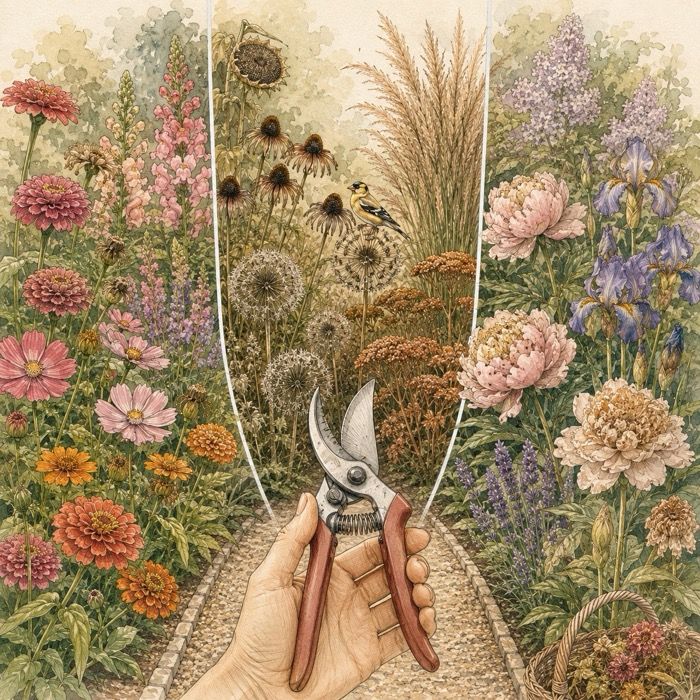
Deadheading Guide: What to Deadhead & What to Leave Alone

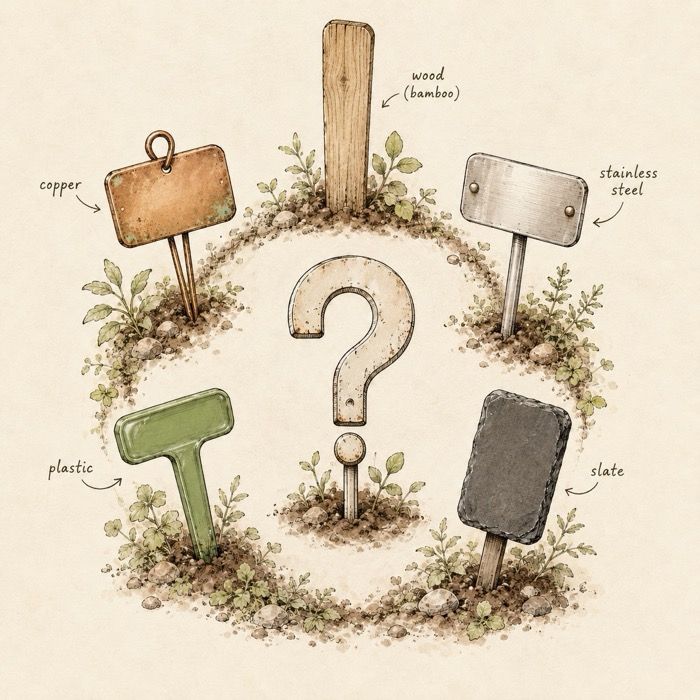
Wood, Copper, or Stainless: The Best Garden Markers for Every Part of Your Garden

July Garden Signals: Yellow Leaves, Peony Aftercare & the Knee-High Rule

Why Won’t My Soil Absorb Water? What Your Garden Is Trying to Tell You

What Dragonflies Are Telling You About Your Garden