You walked into the nursery for something ordinary — potting mix, a six-pack of basil, maybe a bag of compost. Nothing ambitious. Nothing that would demand much from you.
Then you saw it.
Tucked on the bottom shelf or pushed to the edge of the clearance rack: a plant in quiet distress. Leaves drooping like tired shoulders. Yellowed edges. A stem bent at the wrong angle, one frond hanging limp. The discount tag fluttered like a small white flag.
You didn’t need another plant. Your beds were already full. Logic suggested you keep moving.
But your hand reached out anyway.
Gardeners rarely name it, yet almost all of us feel it — the rescue reflex. That pull toward the specimen that looks most in need of help. It explains countless impulse purchases and overcrowded porches.
And it isn’t really about horticulture.
It’s about something older in us.
Why the Brain Intervenes Before Logic
Humans are wired to notice vulnerability. A baby’s cry, a limping animal, even a wilted plant — these signals trigger response before reasoning has time to catch up.
A perfect plant invites evaluation:
Nice plant. Do I want it?
A struggling one invites responsibility:
This one needs me.
The moment you lift the pot, the story begins. You imagine fresh soil, careful watering, the first new leaf. You can already see the before-and-after.
You didn’t buy a plant.
You accepted an outcome.
The Reward of Turning Things Around
Healthy plants succeed because they arrived healthy. There’s satisfaction in that, but little narrative.
Rescue plants offer proof.
If it recovers, it wasn’t the greenhouse or ideal timing — it was your intervention. Gardeners spend months nurturing subtle progress, but a rescue gives visible cause and effect. The worse the starting point, the stronger the reward.
It feels less like growing and more like restoring.
The Fairness Instinct
We instinctively assign stories to living things.
A glossy plant seems already cared for.
A neglected one seems denied a chance.
Choosing the struggling plant feels like correcting imbalance. Experienced gardeners often feel this pull even more strongly — not despite their knowledge, but because of it. Skill creates confidence that the ending can be rewritten.
We don’t just see damage.
We see interrupted potential.
The Part We Eventually Learn
Some discount plants were neglected.
Some were dying.
The reflex rarely distinguishes.
Dry roots recover.
Rot rarely forgives.
Yet even failed rescues seldom feel like mistakes. The act matters as much as the result. Gardeners are not only growing plants — we’re practicing attention.
Why the Discount Rack Always Exists
It isn’t charity.
Perfect plants are selected.
Struggling plants are saved.
Attachment closes decisions faster than admiration.
Using the Instinct Well
The rescue reflex doesn’t need to be suppressed — only aimed.
- Choose temporary stress over structural failure
- Wilt over rot
- Legginess over disease
- Rescue what can recover, not what must be replaced
The satisfaction stays, and success follows more often.
What It Reveals About Gardeners
If gardening were about control, we would only buy perfect plants.
Instead we’re drawn to the moment where decline might still become growth — the turning point where care matters.
The rescue reflex shows something honest about gardeners:
We don’t just want to grow life.
We want to help it continue.
And sometimes what we bring home isn’t the plant at all, but the reminder that tending still matters — that repair is still possible.


More From Our Master Gardener






Special Gifts for Gardeners
Shop Our Gardening Gift Boxes

5 Star Reviews for Our Hori Hori
Recent Posts


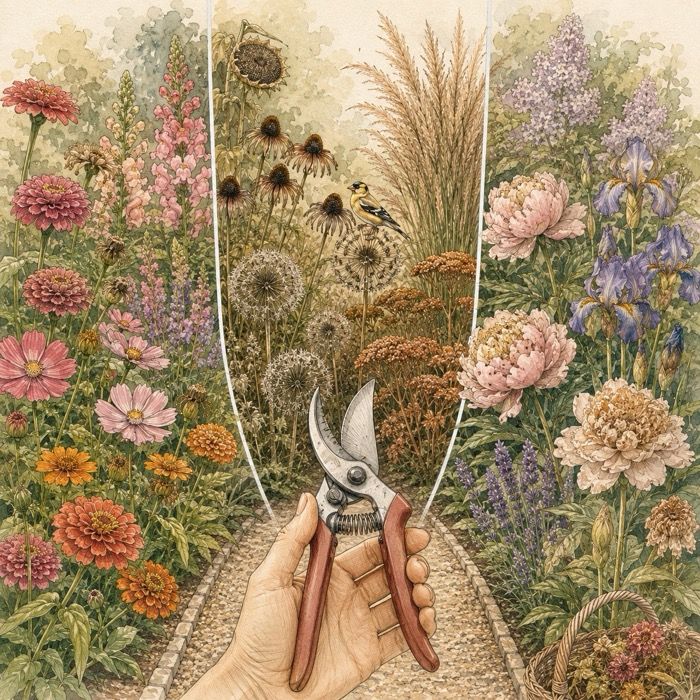
Deadheading Guide: What to Deadhead & What to Leave Alone

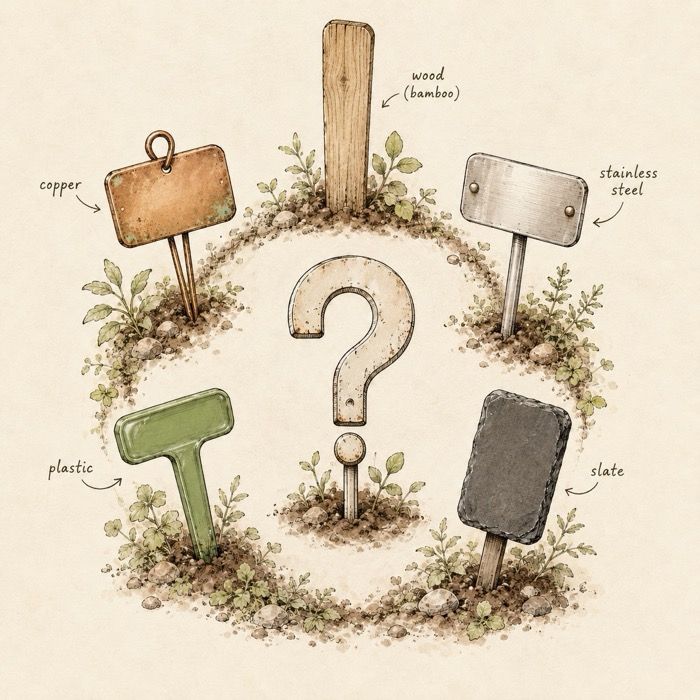
Wood, Copper, or Stainless: The Best Garden Markers for Every Part of Your Garden

July Garden Signals: Yellow Leaves, Peony Aftercare & the Knee-High Rule

Why Won’t My Soil Absorb Water? What Your Garden Is Trying to Tell You

What Dragonflies Are Telling You About Your Garden