If you’ve ever walked out to your garden in the morning only to find your seedlings shredded overnight, you already know the frustration of a snail problem. These slow-moving pests can do serious damage — and while chemical slug pellets are widely available, many gardeners prefer to avoid them due to concerns about pets, wildlife, and soil health.
The good news? You don’t need chemicals to win this battle. Here are 10 proven, natural methods to get rid of garden snails — and keep them gone.
Why Go Chemical-Free?
Before we dive in, it’s worth knowing why so many gardeners are ditching pellets. Traditional metaldehyde-based slug pellets can harm birds, hedgehogs, and even dogs that eat poisoned snails. Ferric phosphate pellets are safer but still not without controversy. Natural methods, on the other hand, work with your garden ecosystem rather than against it.
Master Gardener Tip
Snail problems are often a sign of excess moisture, dense planting, or too many hiding places. Before reaching for any solution, look at airflow, watering timing, and surface conditions — small changes here can dramatically reduce pressure.
1. Beer Traps
Effort level: Low | Cost: Very low
This is one of the oldest tricks in the book — and it genuinely works.
How to do it:
- Bury a container (an old yogurt pot works perfectly) so the rim sits just at soil level
- Fill it halfway with cheap beer
- Check and empty it every morning
Snails are attracted to the yeast in beer. They crawl in and can’t escape. Replace the beer every 2–3 days or after rainfall.
Pro tip: You don’t need to waste good beer. Any cheap lager or a homemade yeast-water mix (1 tsp yeast + 1 tsp sugar in warm water) works just as well.
2. Copper Tape or Copper Wire
Effort level: Medium | Cost: Low–moderate
Copper is a natural snail deterrent. When a snail’s mucus comes into contact with copper, it creates a mild electrical charge that discourages them from crossing.
How to use it:
- Wrap copper tape around raised beds, containers, or pot rims
- Make sure there are no gaps — snails will find them
- Replace annually as it loses effectiveness over time
This method is especially effective for container gardening and raised beds where you can create a complete barrier.
3. Eggshell Barriers
Effort level: Low | Cost: Free
Crushed eggshells create a rough, jagged surface that snails don’t like crawling over. Save your eggshells, crush them coarsely, and scatter them around the base of vulnerable plants.
What the research actually says: The evidence here is mixed. Eggshells work better as a deterrent than a killer — and they need to be refreshed after rain. That said, they’re free, improve soil calcium levels as they break down, and are worth using as part of a broader strategy.
4. Coffee Grounds
Effort level: Low | Cost: Free (if you drink coffee)
Coffee grounds are a popular natural repellent. Caffeine is toxic to snails in high concentrations, and the rough texture also acts as a physical deterrent.
How to use them:
- Sprinkle used coffee grounds in a ring around your plants
- Refresh after rain
- Don’t pile them too thick — they can create a water-repellent crust that harms soil moisture
Does it really work? Studies show caffeine can be effective, but the concentration in used grounds is lower than fresh. It works best as a supplementary method alongside others on this list.
5. Encourage Natural Predators
Effort level: Low (long-term) | Cost: Free
This is the most sustainable approach of all — let nature do the work.
Snail predators to attract and protect:
- Hedgehogs – create a log pile or hedgehog house in a corner of your garden
- Ground beetles – leave some leaf litter and avoid over-tidying borders
- Thrushes and blackbirds – put out a bird bath; thrushes famously smash snail shells on stones
- Frogs and toads – a small garden pond is one of the best investments you can make for pest control
- Slow worms – often found under sheets of corrugated metal left on the ground
Reducing pesticide use (including slug pellets) is the single biggest thing you can do to support these predators.
6. Hand Picking (Night Patrol)
Effort level: High | Cost: Free
Not glamorous, but highly effective — especially during a snail surge.
Go out after dark with a flashlight, particularly after rainfall or watering. Snails are most active at night and in the early morning. Pick them up with gloves and either:
- Relocate them far from your garden (though they often return)
- Drop them in salty water
- Crush them (their remains actually attract ground beetles — a natural predator)
Pro tip: Check under pots, boards, and dense foliage during the day. Snails shelter in damp, dark spots.
Master Gardener Tip
Most snail damage happens at the seedling stage, when plants are tender and low to the ground. Once plants mature and develop tougher leaves, they become far less attractive — so focus your protection efforts early in the season when it matters most.
7. Rough or Gritty Mulches
Effort level: Low | Cost: Low
Snails prefer to travel across smooth, moist surfaces. Coarse mulches make that journey unpleasant enough that many will turn back.
Effective materials:
- Sharp horticultural grit or gravel
- Coarse bark chippings (large pieces — fine bark stays moist)
- Straw (less effective but still helps)
Spread a generous layer around vulnerable plants. This doubles as water retention and weed suppression — a genuine multi-tasker.
8. Nematodes
Effort level: Low | Cost: Moderate
Nematodes are microscopic organisms that occur naturally in soil. The species Phasmarhabditis hermaphrodita is a parasitic nematode that infects and kills slugs and snails underground.
How it works:
- You buy them as a powder and water them into moist soil
- They work best at soil temperatures above 5°C (40°F)
- Effects last 4–6 weeks before a top-up is needed
This is one of the most effective natural methods available — especially for underground slug damage on root vegetables. It’s certified for use in organic growing.
9. Raised Beds With Physical Barriers
Effort level: High (initial setup) | Cost: Moderate
If snails are a persistent problem, redesigning how you grow can make a significant difference. Raised beds are naturally harder for snails to access — especially when combined with copper tape or a smooth, angled rim they struggle to grip.
You can also try:
- Vaseline or grease around pot rims — snails can’t get traction
- Fleece or mesh cloches over seedlings during vulnerable early weeks
- Gritty or gravel paths between beds that act as a deterrent zone
10. Reduce Hiding Spots
Effort level: Medium | Cost: Free
Prevention is underrated. Snails need shelter during the day — dense ground cover, debris piles, low-hanging leaves, and watering in the evening all create ideal snail habitat.
Simple changes that make a big difference:
- Water your garden in the morning rather than evening so the soil surface dries out by nighttime
- Clear debris, stones, and boards where snails shelter
- Lift the lower leaves of susceptible plants off the soil
- Keep garden edges tidy — long grass and weeds near beds are snail highways
Did You Know?
Snails can travel up to 25 feet in a single night — and often return to the same hiding spots during the day. If you’re seeing repeat damage in one area, you’re likely dealing with a small, consistent population rather than new arrivals.
The Best Strategy: Layer Your Methods
No single method will eliminate snails entirely. The most effective approach is to layer two or three methods together:
| Goal | Recommended combination |
|---|---|
| Quick knockdown | Hand picking + beer traps |
| Long-term control | Nematodes + encouraging predators + habitat reduction |
| Container gardens | Copper tape + gritty mulch + coffee grounds |
| Raised bed protection | Physical barriers + copper tape + morning watering |
Frequently Asked Questions
Do coffee grounds really repel snails?
Yes, but with caveats. Used coffee grounds have a lower caffeine concentration than fresh, so they work better as a deterrent than a killer. They’re most effective when combined with other methods.
What is the most effective natural snail killer?
Nematodes (Phasmarhabditis hermaphrodita) are consistently the most effective biological control available. Beer traps and hand picking produce the fastest visible results.
Do eggshells stop snails?
Eggshells can deter snails but are not a reliable barrier on their own. They lose effectiveness quickly when wet and need regular refreshing. Use them as part of a wider strategy.
Will salt kill snails?
Yes — salt dehydrates snails and kills them quickly. However, applying salt directly to soil will harm your plants and degrade soil health, so it’s not recommended as a garden-wide treatment. It can be used in a bucket of water to dispose of collected snails.
What time of day are snails most active?
Snails are most active at night and in the early morning, especially after rain or watering. This is the best time for hand picking and checking beer traps.
Are snails ever good for the garden?
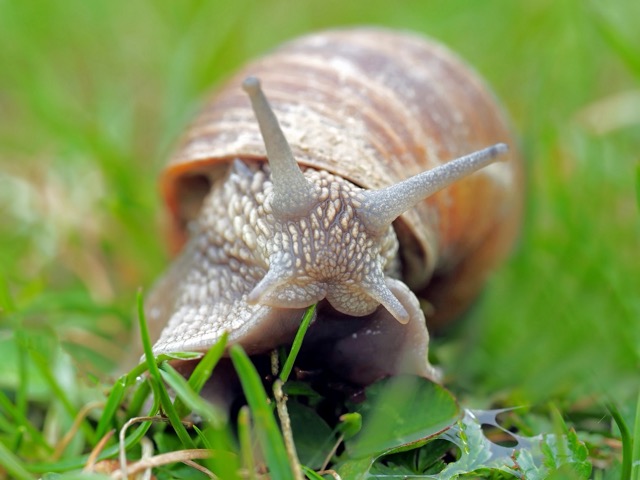
Some species of snail are beneficial — they break down decaying plant matter and improve soil. It’s mainly larger species like the common garden snail (Cornu aspersum) that cause serious plant damage.
Final Thoughts
Dealing with garden snails naturally takes a little more effort than reaching for a packet of pellets — but the results are better for your soil, your local wildlife, and your peace of mind. Start with two or three methods from this list, observe what works best in your garden’s specific conditions, and build from there.
Your seedlings will thank you.
Looking for more natural pest control advice? Check out our guides on companion planting for pest control, encouraging beneficial insects, and building a wildlife-friendly garden.

More From Our Master Gardener





Special Gifts for Gardeners
Shop Our Gardening Gift Boxes

5 Star Reviews for Our Hori Hori