You’re standing in the garden center aisle, drawn in by lush photos and poetic variety names. Everything looks promising—vibrant tomatoes, perfect lettuce heads, flowers bursting with color. Then you flip the packet over, and suddenly it feels like you’re staring at a secret code.
Here’s the truth most gardeners don’t hear early enough: learning to read a seed packet is the single most important gardening skill you can develop.
Most planting failures don’t come from bad soil or bad luck. They come from misunderstanding—or ignoring—the information already printed on the packet. Think of a seed packet as both the plant’s DNA profile and its user manual. If you know how to read it, you dramatically increase your odds of success before you ever touch the soil.
The Front of the Seed Packet – The Plant’s Identity Card
The front of the packet tells you what you’re growing and gives important clues about how that plant behaves.
Common Name vs. Variety
“Tomato” tells you the species. “Cherokee Purple” tells you everything else.
Varieties determine flavor, color, size, disease resistance, productivity, and even how forgiving a plant will be if conditions aren’t perfect. Two tomatoes can behave like completely different plants simply because they’re different varieties.
Master Gardener Tip: When a garden struggles, the issue is often the variety—not the gardener.
Organic, Heirloom, and Hybrid Labels
These labels describe how the seed was produced, not whether it’s “better.”
Organic seeds were grown under certified organic conditions. Heirloom varieties are open-pollinated and passed down for generations. Hybrids are intentionally bred for traits like disease resistance or uniform harvests.
Master Gardener Tip: Choose labels based on your growing goals, not trends.
Seed Count or Packet Weight
This small line prevents big planning mistakes. One packet might contain ten seeds—or hundreds. Knowing this helps you plan space realistically and avoid overcrowding.
The Back of the Packet – The How-To Guide
Days to Maturity
This number tells you how long it typically takes to reach harvest after planting or transplanting—not from the day you bought the seeds.
Master Gardener Tip: Weather, soil health, and care all affect maturity time—use this number as a guide, not a guarantee.
Planting Depth
A reliable rule of thumb: plant seeds about twice as deep as they are wide.
Seeds planted too deeply often rot before emerging. Seeds planted too shallow may dry out or fail to anchor properly.
Master Gardener Tip: When in doubt, err on the shallow side—most seeds prefer less depth than people think.
Spacing and Thinning
Seed packets often list both sowing distance and final spacing. Thinning feels wasteful, but crowded plants compete for light, water, and nutrients.
Master Gardener Tip: Strong airflow and spacing prevent more disease problems than sprays ever will.
Sun Requirements
Full sun means six or more hours of direct light. Partial shade means three to six hours. Full shade is less than three hours.
Master Gardener Tip: Morning sun is gentler and often more valuable than harsh afternoon sun.
Planting Window and Timing
Regional guidance and hardiness zones tell you when seeds belong in the ground—not when stores put them on shelves.
Sow Indoors, Direct Sow, or Transplant – How Plants Prefer to Begin
Seed packets don’t just tell you what to plant—they tell you how the plant wants to be started.
Sow indoors means the plant benefits from an early, protected start. Direct sow means the plant dislikes root disturbance and should be planted where it will grow permanently.
Master Gardener Tip: Forked carrots, stalled beans, and sulking squash are often caused by transplanting plants that prefer direct sowing.
Plants that prefer direct sowing include carrots, beets, radishes, beans, peas, and corn. Plants that tolerate transplanting well include tomatoes, peppers, broccoli, cabbage, lettuce, and onions grown from seed.
Advanced Seed Packet Lingo
Determinate vs. Indeterminate
Determinate plants grow to a set size and produce fruit all at once. Indeterminate plants continue growing and producing until frost.
Annual vs. Perennial
Annuals complete their life cycle in one season. Perennials return year after year once established.
Germination Rate
Germination rate tells you how many seeds are likely to sprout under ideal conditions. It explains why planting multiple seeds is often recommended.
The Old Seeds Survival Guide
Does the Date Matter?
“Packed for” dates indicate freshness, not expiration. Some seeds last one year, others remain viable for five or more when stored properly.
The Paper Towel Germination Test
Dampen a paper towel, place ten seeds on one half, fold it over, seal it in a zip-top bag, and keep it warm. Check after seven to ten days to calculate the sprout percentage.
When to Toss Seeds
Replace seeds if germination falls below 50 percent, if mold or damage is visible, or if seeds were stored in heat or humidity.
From Guessing to Growing with Confidence
Seed packets aren’t marketing fluff—they’re instruction manuals. Save them or take photos and refer back throughout the season.
Once you understand how to read seed packets, gardening becomes far more predictable—and far more rewarding.
What’s the most confusing term you’ve ever seen on a seed packet?
Ready to put this knowledge into action? Visit our Essential Gardening Tools guide to make planting easier and more successful from the very start.


More From Our Master Gardener





Special Gifts for Gardeners
Shop Our Gardening Gift Boxes

5 Star Reviews for Our Hori Hori
Recent Posts


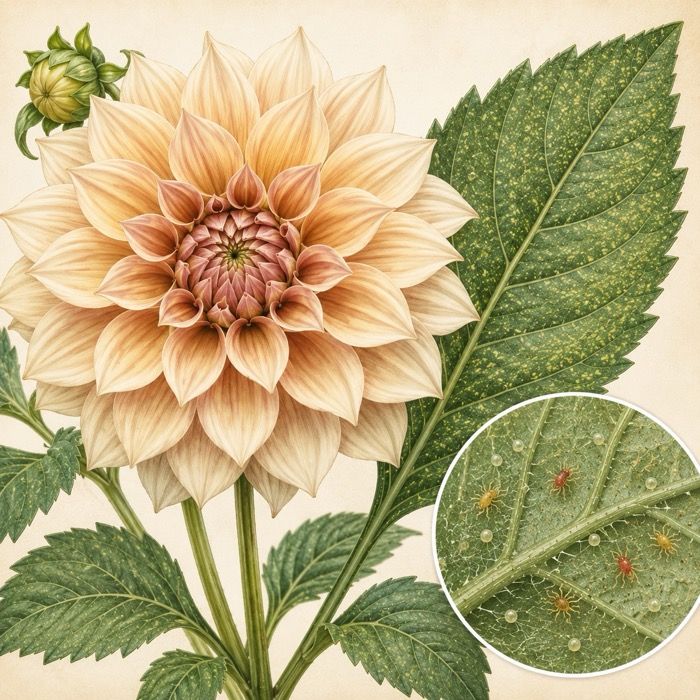
Spider Mites on Dahlias — How to Spot Them Before They Destroy Your Plants

Garden Microclimates: How to Find and Use the Hidden Climate Zones in Your Yard
Bark vs Wood Chips vs Straw — Which Mulch Actually Works Best?
Why Your Tomatoes Split, Crack, and Rot — And the Simple Fix Most Gardeners Miss
Rust Fungus on Plants – Identification, Prevention & Treatment Guide
Shop Our Hardwood Dibblers