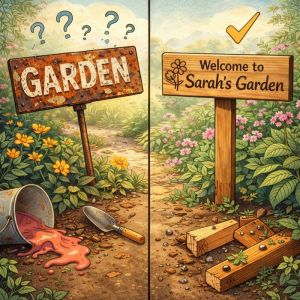
A great garden sign does more than label a space — it becomes part of the landscape. Whether you’re marking a vegetable bed, naming a cottage garden, or gifting something meaningful, here are five smart things to look for when buying a garden sign so it lasts, looks beautiful, and actually feels special.
1. Weather-Resistant Materials
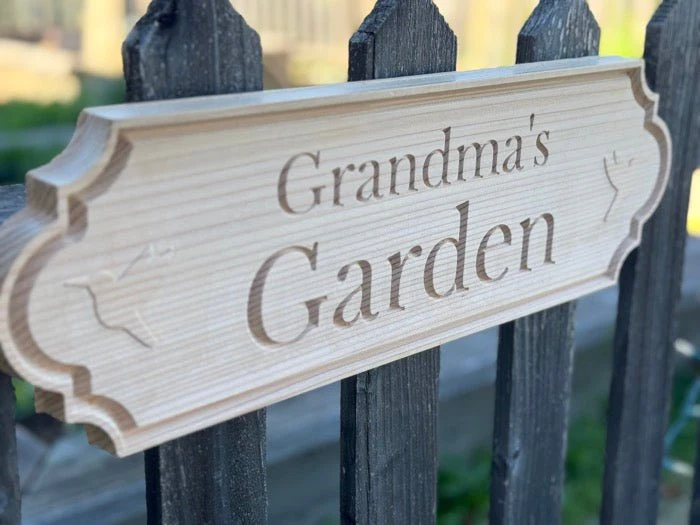
Outdoor signs live a hard life: sun, rain, wind, frost, and heat all take their toll. Start by checking what the sign is made from.
Good options
- Cedar, white oak, or redwood
- Powder-coated steel or aluminum
- Slate or stone
Materials to be cautious with
- MDF or particle board
- Thin plywood
- Soft woods without outdoor finishes
Why it matters: Rot, warping, and delamination happen fast outdoors. A naturally rot-resistant material dramatically extends the sign’s lifespan.
Think Twice About Cheap Metal Signs — Fading, Toxicity & Durability
Not all metal garden signs are created equal. In recent years, inexpensive metal signs — often imported in bulk from overseas — have flooded online marketplaces at rock-bottom prices. They may look appealing at first glance, but there are important hidden downsides worth knowing before you buy.
Fading & Poor Outdoor Performance
Many low-cost metal signs are made from very thin steel or aluminum and coated with inexpensive paints that aren’t formulated for long-term outdoor exposure.
Common problems include
- Rapid fading from UV sunlight (sometimes within a single season)
- Chipping or peeling paint
- Rust forming where the coating fails
- A chalky, dull appearance over time
Quality metal signs typically use powder-coating or outdoor-rated finishes that chemically bond to the surface, creating a much tougher, longer-lasting barrier against weather.
Toxicity & Garden Safety Concerns
Another often-overlooked issue is unknown paint chemistry. Cheap signs may use low-grade industrial paints and pigments that are not certified for prolonged outdoor human contact.
Why this matters in a garden setting:
- Flaking paint can fall into soil
- Children and pets may touch or handle signs
- Edible plants are often nearby
While a sign isn’t directly mixed into soil, deteriorating coatings introduce unnecessary risk. Safer choices include powder-coated aluminum, engraved natural wood (no paint at all), or signs finished with plant-safe exterior oils.
Fake “Rustic” vs. Real Patina
Many bargain signs advertise a “rustic” or “vintage” look, but what you’re often seeing is simply painted-on distressing. As that paint fails, it peels rather than aging gracefully.
If you love the aged metal look, look for:
- Real weathering steel designed to patina naturally
- Artisan-applied patina finishes
- Or choose wood signs that develop character over time
Bottom line: ultra-cheap metal signs may save money up front, but they usually fade, chip, and fail quickly — meaning you’ll replace them sooner and spend more in the long run.
2. Engraving (Not Surface Printing)
How the text and design are applied makes a big difference.
Better
- CNC-carved or laser-engraved lettering
- Deeply routed designs
Less ideal
- Vinyl decals
- Surface-printed ink
Engraved text is physically cut into the material, so it won’t peel, bubble, or fade the way surface graphics can.
Quick check: Run your finger across the lettering. If you can feel depth, that’s a good sign.
3. Finish & UV Protection
Even durable materials need protection.
Look for:
- Exterior oils (teak oil, tung oil, Danish oil)
- Marine-grade spar varnish
- UV-resistant clear coats
These finishes slow fading, cracking, and drying/splitting. A quality finish should soak into the wood or build a flexible protective layer, not feel like a thin plastic shell.
4. Mounting & Stability
A beautiful sign isn’t very useful if it tips over or snaps off.
Consider:
- Thick stakes or metal ground posts
- Wall-mount options for fences or sheds
- Replaceable stakes if one ever breaks
Ask: How deep does it anchor? Can it be removed seasonally? Will it hold up in wind? Heavier, thicker signs tend to stay put better than ultra-lightweight ones.
5. Personalization & Design Style
The best garden signs feel intentional, not generic.
Think about:
- Plant names, family names, or garden titles
- Font style (script, serif, rustic, modern)
- Iconography (herbs, bees, flowers, tools)
Choose a style that matches your garden’s personality. Cottage garden signs tend to look best with soft curves and classic fonts. Modern gardens look best with clean lines and simple lettering. Farm gardens do well with bold type and strong contrast.
A personalized sign often becomes a keepsake — not just décor.
Shop Handcrafted Garden Signs from The Celtic Farm
If you’re looking for garden signs made from real, outdoor-safe materials — not cheap painted metal or vinyl — explore our full collection of engraved American cedar garden signs, all made in the USA and designed to age beautifully outdoors.
The Best Garden Signs – All Natural Wood
Why gardeners love Celtic Farm signs:
- Deep laser-engraved lettering (no peeling or fading ink)
- Solid American cedar with natural rot resistance
- No paints, plastics, or toxic coatings
- Includes stake and mounting hardware
- Thoughtful quotes, blessings, and custom name options
Bonus Tip — Think About Scale
A sign that’s too small disappears. One that’s too large overwhelms.
Rule of thumb:
- Small beds: 4–6 inches wide
- Raised beds: 6–10 inches wide
- Feature areas: 10–14+ inches wide
Match the sign size to the visual weight of the space.

More From Our Master Gardener





Special Gifts for Gardeners
Shop Our Gardening Gift Boxes

5 Star Reviews for Our Hori Hori
Recent Posts


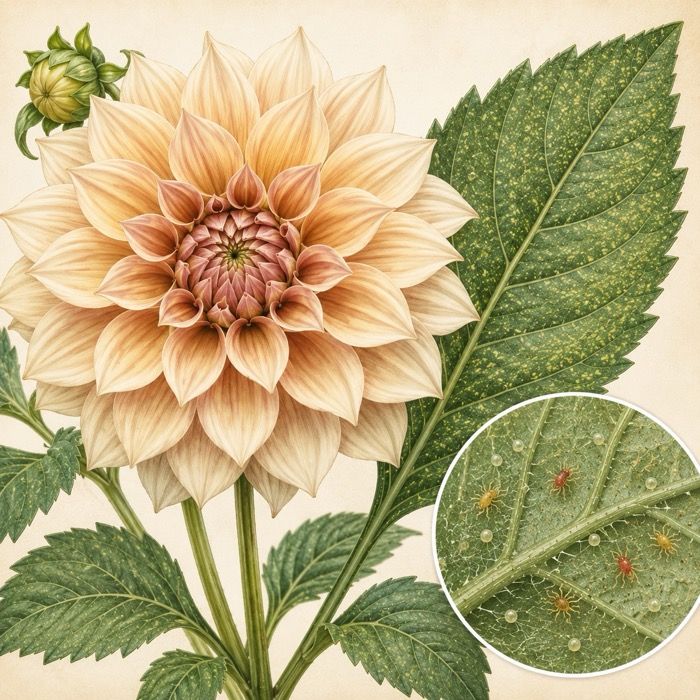
Spider Mites on Dahlias — How to Spot Them Before They Destroy Your Plants

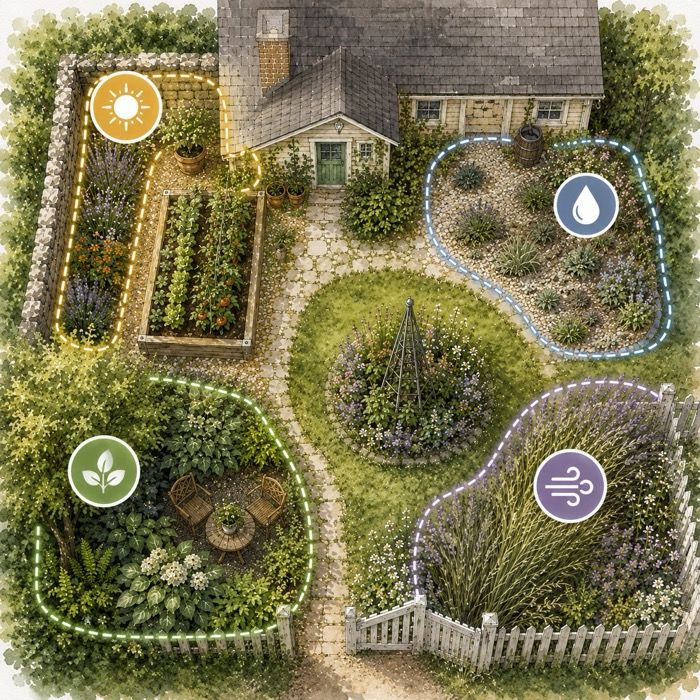
Garden Microclimates: How to Find and Use the Hidden Climate Zones in Your Yard
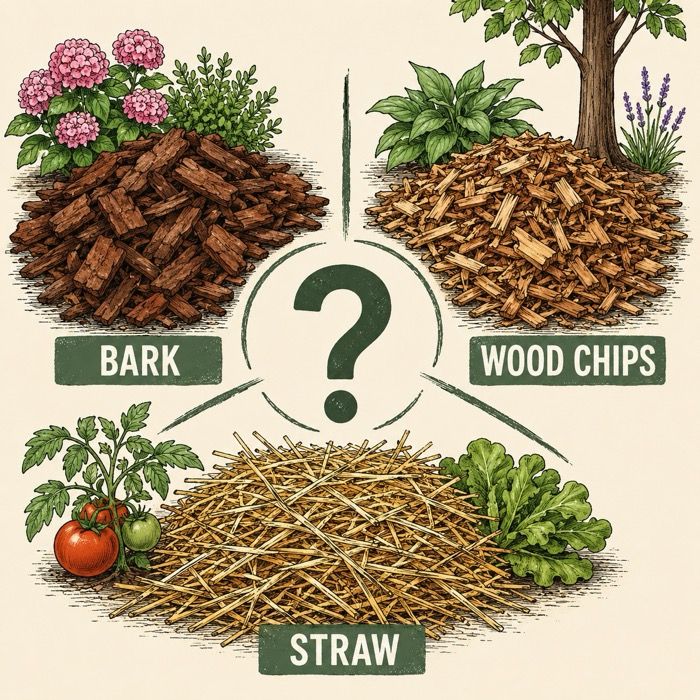
Bark vs Wood Chips vs Straw — Which Mulch Actually Works Best?

Why Your Tomatoes Split, Crack, and Rot — And the Simple Fix Most Gardeners Miss
Rust Fungus on Plants – Identification, Prevention & Treatment Guide