Most gardeners get this wrong—and overpay for soil every single time.
You either buy too many bags and waste money… or come up short and stall your entire planting day.
There’s a simple way to get it right every time. And once you understand it, you’ll never guess again.
The Simple Formula Every Gardener Should Know
At its core, soil volume is just basic math:
Volume = Length × Width × Height
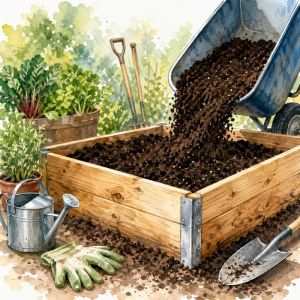
Measure your raised bed in feet, multiply the three numbers, and you’ll know exactly how much soil you need.
Want to skip the math? Use our Raised Bed Soil Calculator.
Example – A Standard 4×8 Raised Bed
If your bed is 4 feet wide, 8 feet long, and 1 foot deep, the math looks like this:
4 × 8 × 1 = 32 cubic feet
You’ll need 32 cubic feet of soil to fill a standard 4×8 raised bed that is 12 inches deep.
The “27 Rule” – This Changes Everything
1 cubic yard = 27 cubic feet
This is the number every gardener should remember because bulk soil is often sold in cubic yards, while bagged soil is usually sold in cubic feet.
That means a 4×8 raised bed at 12 inches deep needs just over 1 cubic yard of soil.
Bags vs Bulk Soil – What Should You Choose?
Most standard soil bags are around 1.5 cubic feet.
32 ÷ 1.5 = about 21 to 22 bags
- Bags are easier to transport but usually cost more per cubic foot.
- Bulk delivery is usually cheaper and makes more sense when filling multiple beds.
If you are building more than one raised bed, bulk soil almost always wins.
Preferred Raised Bed Soil Mixes
The right soil mix matters just as much as the amount of soil. A raised bed is not just a box of dirt—it is a living growing system.
The Classic Raised Bed Mix
- 60% topsoil
- 30% compost
- 10% aeration material, such as perlite, pumice, or coarse sand
This is a reliable all-purpose mix for vegetables, herbs, and flowers.
The Square Foot Gardening Style Mix
- 1/3 compost
- 1/3 peat moss or coco coir
- 1/3 vermiculite
This mix is lighter, fluffier, and useful for intensive planting layouts.
The Budget Fill Method
For deeper beds, you can fill the bottom with rough organic material like sticks, leaves, straw, or partially broken-down plant matter, then reserve the top 8–12 inches for your best growing mix.
This reduces cost while still giving your plant roots a high-quality growing zone.
Master Gardener Tip
Think structure first. Good raised bed soil should hold moisture, drain well, and still have enough air space for healthy roots. Compost feeds the soil, but mineral soil and aeration materials give the bed lasting structure.
Aside – Should You Add Synthetic Fertilizers to Raised Beds?
You can add synthetic fertilizers to raised beds, but they should be used carefully.
Products like 10-10-10 can provide a quick nutrient boost, but they do not improve soil structure, support long-term organic matter, or build the living soil biology that makes raised beds perform well over time.
For most home gardeners, the better approach is to start with a compost-rich soil mix, add organic fertilizer when needed, and use synthetic fertilizer only as a targeted supplement—not as the foundation of the bed.
Common Mistakes to Avoid
- Filling the entire bed with compost
- Using cheap fill dirt with poor structure
- Forgetting that soil settles over time
- Underestimating the depth of the bed
- Buying bags when bulk soil would be cheaper
Did You Know?
Freshly filled raised beds can settle by 20–30% during the first season.
That settling is not always a bad thing. Organic matter breaks down, air pockets stabilize, microbes get to work, and the soil begins to form a better root environment. Smart gardeners slightly overfill their beds at the start to compensate.
Quick Soil Reference
- 4×4 bed, 1 foot deep – 16 cubic feet
- 4×8 bed, 1 foot deep – 32 cubic feet
- 4×12 bed, 1 foot deep – 48 cubic feet
For other bed sizes, use our Raised Bed Soil Calculator.
Final Thought
This is one of those small pieces of knowledge that changes how you garden forever. No more guessing. No more wasted money. No more half-filled beds. Just simple math—and a better garden because of it.


More From Our Master Gardener





Special Gifts for Gardeners
Shop Our Gardening Gift Boxes

5 Star Reviews for Our Hori Hori
Recent Posts


Spider Mites on Dahlias — How to Spot Them Before They Destroy Your Plants

Garden Microclimates: How to Find and Use the Hidden Climate Zones in Your Yard
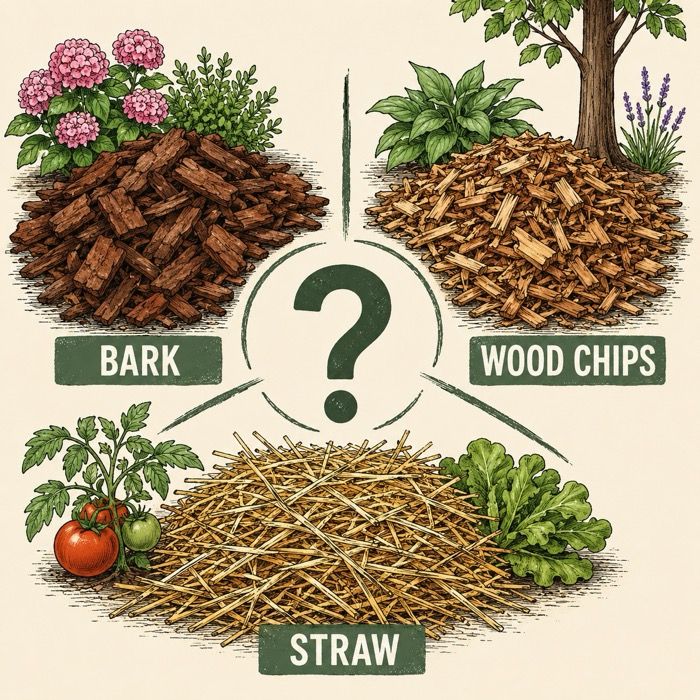
Bark vs Wood Chips vs Straw — Which Mulch Actually Works Best?

Why Your Tomatoes Split, Crack, and Rot — And the Simple Fix Most Gardeners Miss

Rust Fungus on Plants – Identification, Prevention & Treatment Guide