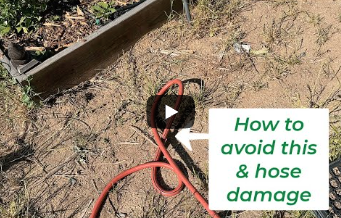
Last summer, I went on vacation — and came home to find I’d lost over 300 lavender plants. Not to pests. Not to disease. To a single irrigation failure during a week of record-breaking 100-degree heat, and by the time I got back, there was nothing left to save.
The setup I trusted
Before leaving, everything looked dialed in. Healthy lavender rows, established plants, a drip irrigation system running on a timer, and a Rachio smart controller managing the schedule. On paper it was ideal — automated, efficient, modern. The kind of system that’s supposed to give you peace of mind while you’re away. But little did i know, my system had a weakness – the connectors.
How it failed
Somewhere along the line, a connection in the drip tape failed. Nothing dramatic, no obvious sign — just a quiet separation that allowed water to flow freely away from the plants. The Rachio valve continued following its schedule. Water flowed. Everything was technically working. Except it wasn’t watering the garden. It was draining the well, day after day, in over 100-degree heat.
This is where the real lesson lives. The system didn’t fail because it wasn’t advanced enough. It failed because it had no awareness — no way to detect a pressure drop, no way to recognize abnormal flow, no safeguard to shut down when something went wrong. It was smart, but it wasn’t safe. In extreme heat, that distinction matters enormously.
When the well finally ran dry, the irrigation stopped entirely. Lavender is drought tolerant under normal conditions, but not under extreme heat stress without any water at all. The plants didn’t slowly decline. They collapsed. What had taken months to establish was lost in a few days.
What changed after that
After losing those plants at Celtic Farm in Loomis, I stopped thinking about irrigation as convenience and started treating it as infrastructure. Everything I design now is built around a single principle: assume failure, and plan for it.
In practice that means every drip connection is reinforced and pressure-tested before the season begins. Zones are isolated so a single failure can’t take down the entire system. I limit runtime and water volume per cycle rather than running long open-ended schedules — something I cover in depth in my drip irrigation tips guide. During heatwaves I avoid relying entirely on automation — the stakes are simply too high. And before leaving for any trip, even a short one, I run a full cycle and physically walk every line to inspect output.
The most important change is harder to systematize: I no longer trust the system without verifying it. A smart controller schedules water. It doesn’t know whether the water is actually reaching your plants.
Master Gardener tips for preventing irrigation failures
Walk your irrigation lines regularly, especially through summer when heat stress makes failures most damaging. Every connection point and emitter is a potential weak link — check them. Before leaving on any trip, run a full cycle and watch it rather than just starting it and walking away. Build redundancy wherever you can, whether that’s a backup zone, a moisture sensor, or simply a neighbor who can check on things. And if you’re running a smart controller, remember that intelligent scheduling and actual system awareness are two very different things — one manages timing, the other would need pressure sensors and flow monitors that most residential systems simply don’t have.
It’s also worth thinking about the type of emitters you’re using and whether they’re appropriate for the flow rates and pressure in your system. A mismatch between emitter capacity and line pressure is one of the most common causes of the kind of quiet failure that took out my lavender — water appearing to run normally while actually bypassing the plants entirely.
Stewardship over automation
Automation is a tool, not a replacement for stewardship. A timer doesn’t know if your line has blown. A valve doesn’t know if your well is draining. And your plants won’t wait for you to get back from vacation to find out.
That experience cost me 300 lavender plants and a significant part of that season’s harvest. But it gave me a permanent shift in mindset that has made every system I’ve built since more reliable. Your garden doesn’t fail when something breaks — it fails when your system can’t respond to the break. The biggest losses don’t come from what you see. They come from what you assumed was working.
If you’re running drip irrigation this summer, take the time today to walk your lines, check every connection, and watch a full cycle run. And if you’re heading into winter, don’t overlook winterizing your system properly — the same principle applies: the damage you’ll regret is always the damage you didn’t see coming. It takes twenty minutes. It’s the twenty minutes that might save your season.
Growing lavender of your own? Our lavender planting guide covers soil, spacing, watering, and what we’ve learned from growing hundreds of plants here on the farm.

More From Our Master Gardener






Special Gifts for Gardeners
Shop Our Gardening Gift Boxes

5 Star Reviews for Our Hori Hori
Recent Posts


Deadheading Guide: What to Deadhead & What to Leave Alone

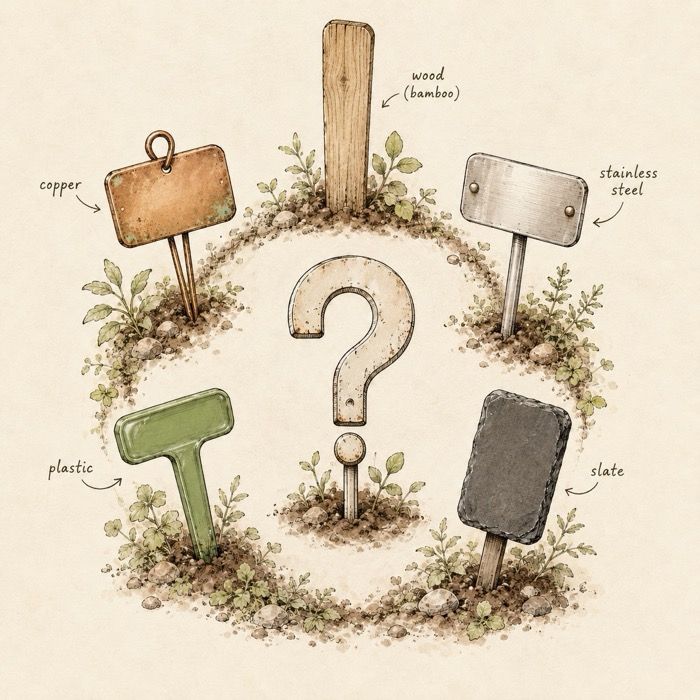
Wood, Copper, or Stainless: The Best Garden Markers for Every Part of Your Garden

July Garden Signals: Yellow Leaves, Peony Aftercare & the Knee-High Rule
Why Won’t My Soil Absorb Water? What Your Garden Is Trying to Tell You

What Dragonflies Are Telling You About Your Garden