Cheap painted plastic-handled garden tools are the fast fashion of the garden. They’re designed to be lightweight and inexpensive—not durable, repairable, or truly appropriate for long-term use in soil. When we talk about sustainability, we often focus on compost, mulch, or fertilizers, but we rarely question the tools we put directly into the ground.
Take a walk down the tool aisle at any garden section. You’ll see rows of brightly colored trowels, cultivators, weeders, pruners, and transplanters with plastic handles or soft, rubberized “comfort grips.” These dominate the shelves because they’re cheap to manufacture, easy to ship, and appealing to casual gardeners. But hand tools interact directly with soil—and often live there—which places them in a uniquely high-risk category.
Why Plastic and Rubber-Coated Hand Tools Dominate the Shelves
Most entry-level garden hand tools use polypropylene, PVC, or similar plastics to reduce cost and weight. Rubberized coatings—often soft PVC or synthetic blends—are added to create the illusion of comfort and control. Unfortunately, these coatings are usually the first component to fail.
Sun exposure, moisture, temperature swings, gritty soil, and everyday use cause plastic handles to harden, crack, or become brittle. Rubberized grips often peel, flake, or turn sticky. Once this degradation begins, it accelerates rapidly.
What Actually Happens in the Garden
Hand tools don’t live in climate-controlled environments. They’re pried into compacted soil, scraped against rocks, left in the sun, tossed into bins, and leaned against fences. Over time, plastic and rubber components abrade and fragment.
Small chips, flakes, and dust can end up directly in garden beds, pathways, and compost areas—especially where tools are used repeatedly in the same spots. Unlike organic materials, these fragments do not break down. They persist in the soil profile, where they can interfere with soil structure and microbial life.
This matters most in vegetable gardens and intensively worked beds, where hand tools see frequent use and repeated soil contact.
A Practical Note on Chemicals and Exposure
Not all plastic tools are equally problematic, but many low-cost plastics and soft grips rely on additives to achieve flexibility, color, or durability. Some formulations may contain plasticizers or other additives that are increasingly scrutinized for health and environmental concerns.
As plastics degrade—especially with heat, UV exposure, and mechanical wear—the potential for transfer to hands or soil increases. From a Master Gardener perspective, the most responsible approach is precaution: choose materials that are stable, inert, and proven over generations of use.
The Better Choice – Wood, Steel, and Longevity
High-quality hand tools made with solid hardwood handles—such as ash, hickory, or beech—paired with stainless or high-carbon steel heads avoid these issues entirely. Wood does not fragment into persistent pollutants, naturally dampens vibration, and improves with age when cared for properly.
Steel can be sharpened, cleaned, and reused for decades. These tools balance better in the hand, transmit soil feedback more accurately, and don’t fail mid-season. With basic care—oiling the handle, drying after use, and occasional sharpening—a well-made trowel or weeder can last a lifetime.
Master Gardener Tips – Choosing & Caring for Sustainable Hand Tools

Follow the soil-contact rule – Any tool that regularly penetrates soil should be made from materials that won’t fragment or degrade with repeated abrasion. Hand tools experience more force and wear than long-handled tools.
Look for a visible tang, not a glued joint – Quality hand tools have a metal tang that extends into the handle and is mechanically secured. This prevents wobble and dramatically increases tool life.
Avoid soft-grip coatings – Rubberized grips reduce tactile feedback and degrade quickly. Bare wood improves control and helps you feel roots, stones, and soil structure.
Choose wood that can be renewed – Wooden handles can be lightly sanded and re-oiled for decades. Plastic handles are rarely repairable once they fail.
Oil handles, don’t varnish – Use food-safe mineral oil or raw linseed oil two to three times per year. Varnish eventually cracks and traps moisture.
Store tools out of sun and heat – UV exposure degrades plastics and dries wood. Shaded storage extends tool life across the board.
Sharpen more often than you think – Sharp steel reduces strain on hands, disturbs less soil, and preserves soil structure.
A Simple, High-Impact Upgrade
If you want to reduce plastic in your garden in a meaningful way, start with your most-used hand tools. Trowels, weeders, and cultivators spend the most time in the soil and take the most abuse.
Replacing even one cheap plastic-handled tool with a well-made wood-and-steel version is a small change with an outsized impact—less waste, cleaner soil, and a better gardening experience every time you step into the garden.
View our hardwood-handled garden trowel here — designed for real soil work, built to last, and made without plastic where it matters most.

More From Our Master Gardener





Special Gifts for Gardeners
Shop Our Gardening Gift Boxes

5 Star Reviews for Our Hori Hori
Recent Posts


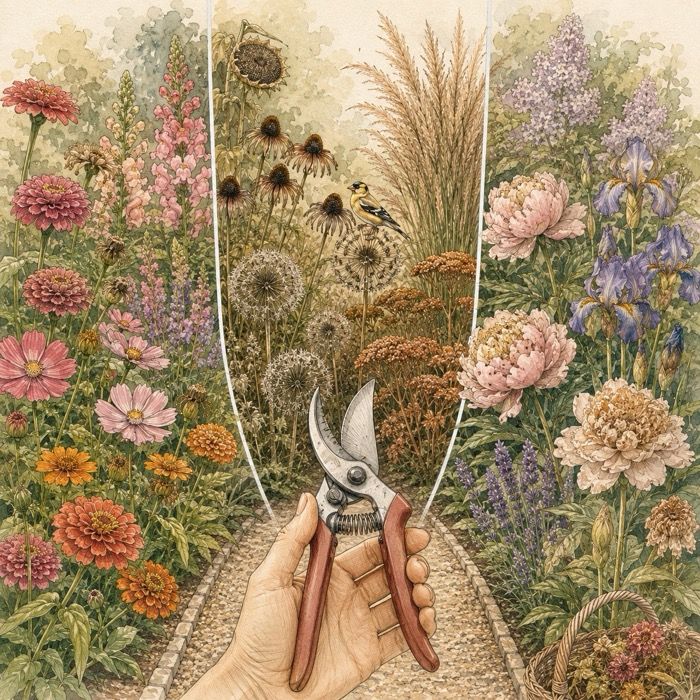
Deadheading Guide: What to Deadhead & What to Leave Alone

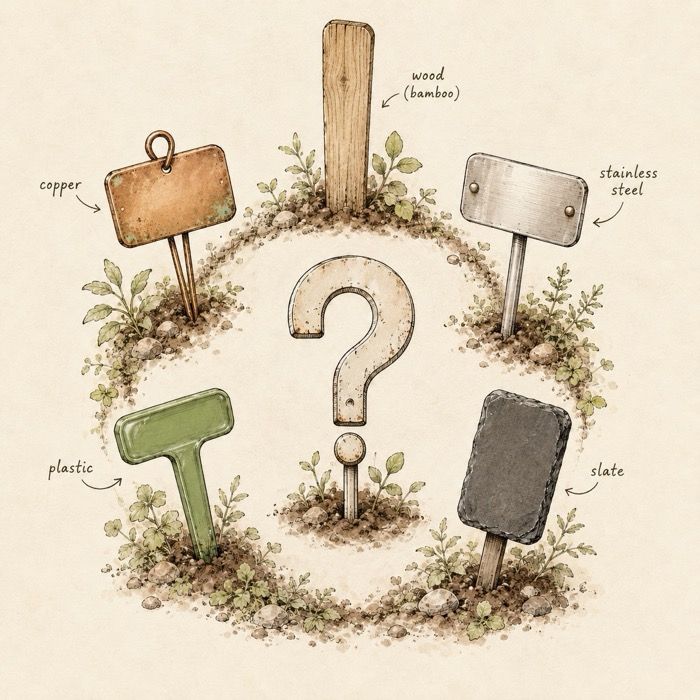
Wood, Copper, or Stainless: The Best Garden Markers for Every Part of Your Garden

July Garden Signals: Yellow Leaves, Peony Aftercare & the Knee-High Rule
Why Won’t My Soil Absorb Water? What Your Garden Is Trying to Tell You

What Dragonflies Are Telling You About Your Garden