Starting a garden is one of the most rewarding things you can do at home — but walking into a garden center for the first time can feel overwhelming. Walls of tools, dozens of gloves in every size, and gadgets you’ve never heard of all compete for your attention (and your wallet). The good news? You don’t need all of it. A small collection of well-chosen, high-quality tools will take you through almost any gardening task you’ll face as a beginner.
This guide breaks down the essential tools you truly need, what to look for when buying them, and why each one earns its place in your garden shed. And if you’d rather skip straight to a curated set, our Gardening Gifts for Beginners collection has you covered.
Start With the Basics: The Core Four
Before anything else, these four tools form the foundation of any home gardener’s toolkit. If you’re starting from scratch, invest in these first and get comfortable with them before adding anything else. If you’re curious how all the different tool types fit together, our complete guide to garden tool categories is a great place to explore.
1. A Quality Garden Spade or Shovel
The spade is your workhorse. You’ll use it to break new ground, dig planting holes, edge beds, and turn compost. Look for a full-tang design — meaning the metal blade extends through the entire handle — as this dramatically improves durability. For beginners, a round-point shovel is the most versatile choice, handling both digging and scooping with ease. A shorter D-handle gives you more control in tight spaces, while a long handle provides better leverage for deeper digging.
Avoid the temptation to buy a cheap spade. This is one tool where quality pays off. Browse our heritage-quality gardening tools to see options tested in real soil and built to last.
2. A Hand Trowel
Think of the hand trowel as your spade’s smaller, more precise sibling. You’ll reach for it constantly — for transplanting seedlings, digging small planting holes, scooping potting mix, and removing weeds in tight spots. A stainless steel head resists rust and holds its edge better than painted carbon steel. An ergonomic rubber grip reduces fatigue during longer sessions.
One pro tip: buy a brightly colored trowel, or mark the handle with tape. These tools have a habit of disappearing into garden beds at the worst possible moment. Wondering which tool is best for which job? Our post on choosing the best garden tool for the task breaks it all down.
3. A Garden Fork
A garden fork (also called a digging fork or pitchfork) looks similar to a spade but has four sturdy tines instead of a flat blade. It’s invaluable for breaking up compacted soil, working compost or amendments into beds, lifting root vegetables without slicing them, and aerating established garden areas. In heavy clay or rocky soil, a fork is often easier to drive into the ground than a flat spade.
For most beginners, a border fork — slightly smaller and lighter than a full digging fork — is the perfect starting size. It’s easier to handle and works well in both raised beds and in-ground gardens.
4. A Garden Hoe
Weeding is one of the most time-consuming parts of gardening, and a good hoe makes it dramatically faster. Rather than pulling weeds by hand, a hoe lets you sever them at the root level with quick, sweeping strokes. The classic flat hoe works well for chopping weeds in open areas, but many beginners find a stirrup hoe (also called a hula hoe or action hoe) even more effective — it cuts on both the push and the pull stroke, doubling your efficiency.
Use your hoe regularly when weeds are young and small. A five-minute session every few days is far easier than a two-hour battle against established weeds later in the season. For a deeper dive into technique, our guide to weeding tools and hand-weeding methods covers everything you need to know.
Essential Add-Ons: The Next Level Up
Once you have the core four, these tools will cover nearly every other common gardening task.
A Good Pair of Pruning Shears (Secateurs)
Pruning shears are used for trimming plants, deadheading spent flowers, harvesting herbs and vegetables, and cutting back perennials. Bypass shears — which work like scissors with two curved blades passing each other — give the cleanest cut and are best for living plant material. Anvil shears, where a single blade cuts down onto a flat surface, are better for dead or woody stems.
Keep the blades clean and sharp — a clean cut heals faster and protects plant health. You’ll find pruning shears and multi-tool sets in our Garden Tool Kits & Sets collection.
A Watering Can or Garden Hose with an Adjustable Nozzle
Consistent watering is the difference between a thriving garden and a struggling one. For container plants, a watering can with a long neck and a rose head (the attachment that disperses water gently) gives you precision without disturbing soil or damaging delicate seedlings. For in-ground beds, a hose with an adjustable nozzle that can switch between a gentle shower and a focused stream is incredibly useful.
If you’re watering a larger garden, consider investing in a soaker hose or drip irrigation kit early on. These deliver water directly to the root zone, reduce evaporation, and help prevent the fungal issues that come from wetting foliage. Our Gardening Tools FAQ covers watering schedules and technique in more detail.
A Soil Knife (Hori-Hori)
Less well-known than the tools above but beloved by experienced gardeners, the hori-hori is a Japanese soil knife with a heavy, serrated blade and a pointed tip. It’s extraordinarily versatile — you can use it to dig planting holes, divide perennials, cut through roots, remove weeds, open bags of soil, and even measure planting depth if the blade is marked with measurements. We’ve written a full Hori-Hori buying guide if you want to choose the right one — and you can shop our favorites in the best-selling garden tools collection.
Garden Gloves
Protecting your hands isn’t optional if you want to garden consistently and comfortably. Look for gloves that are snug-fitting enough to maintain dexterity — loose gloves are clumsy and frustrating — but durable enough to handle thorny plants and rough soil. Nitrile-coated fabric gloves are great for general use. For heavy-duty tasks like moving rocks or working with roses, a thicker leather glove offers more protection.
Keep It All Organized
As your tool collection grows, so does the importance of keeping everything in one place. A quality garden tool bag or tote means your essentials are always at hand — and you stop losing your trowel in the back of the shed. Canvas, waxed cotton, and leather styles each offer their own blend of durability and style.
What You Can Skip (For Now)
As a beginner, you’ll encounter plenty of specialized tools marketed as essential that simply aren’t. A bulb planter is useful only a few times a year. A cultivator does a job your hoe handles fine. Electric aerators, soil pH meters, and fancy soil corers all have their place — just not in a beginner’s first toolkit.
Buy tools as specific needs arise. Our complete list of gardening tools covers 100+ options if you ever want to explore what’s out there — but starting lean keeps your shed organized and your budget intact.
How to Care for Your Tools
Even the best tools will fail prematurely without basic maintenance. After each use, brush or knock soil off metal surfaces and wipe down with a dry cloth. A few times per season, apply a light coat of linseed oil to wooden handles to prevent cracking, and rub metal blades with a little WD-40 or mineral oil to prevent rust. Keep blades sharp — a sharp hoe and spade slice through soil with far less effort than a dull one, reducing fatigue and improving results.
Hanging tools in a dry shed or garage (rather than leaving them outside) makes the single biggest difference in how long they last. If you’re ready to put your new tools to work, start with how to lay out a new garden bed like a pro — it’s the perfect next step.
The Bottom Line
You don’t need a tool for every task — you need the right tools for most tasks. A spade, hand trowel, garden fork, hoe, pruning shears, a way to water, a hori-hori, and a good pair of gloves will carry you through seasons of growing. Buy the best quality you can reasonably afford, take care of what you have, and add new tools only when a real need makes itself known.
If you’re not sure where to start, our Garden Tool Kits take the guesswork out — everything is already curated, tested, and ready to go.
Ready to dig in? Share this post with a friend who’s just getting started — and drop your must-have tool recommendations in the comments below.

More From Our Master Gardener





Special Gifts for Gardeners
Shop Our Gardening Gift Boxes

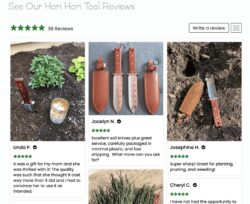
5 Star Reviews for Our Hori Hori
Recent Posts

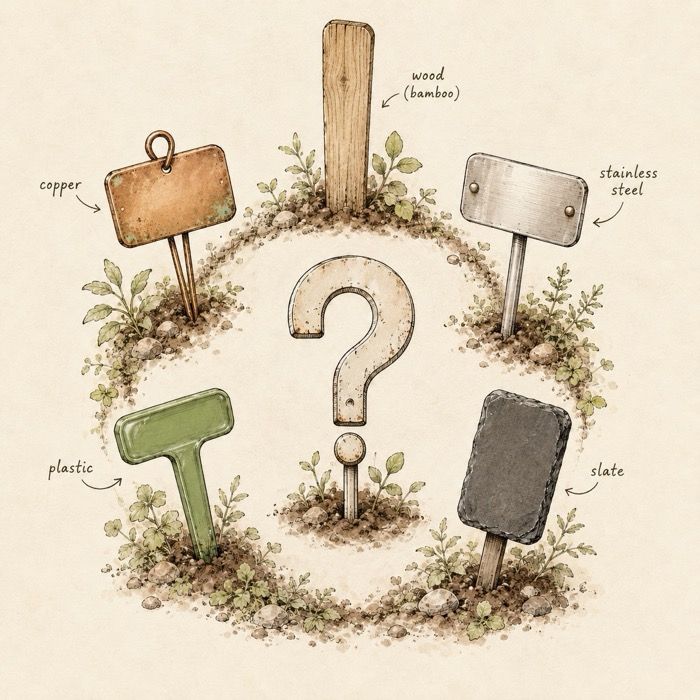
Wood, Copper, or Stainless: The Best Garden Markers for Every Part of Your Garden
July Garden Signals: Yellow Leaves, Peony Aftercare & the Knee-High Rule
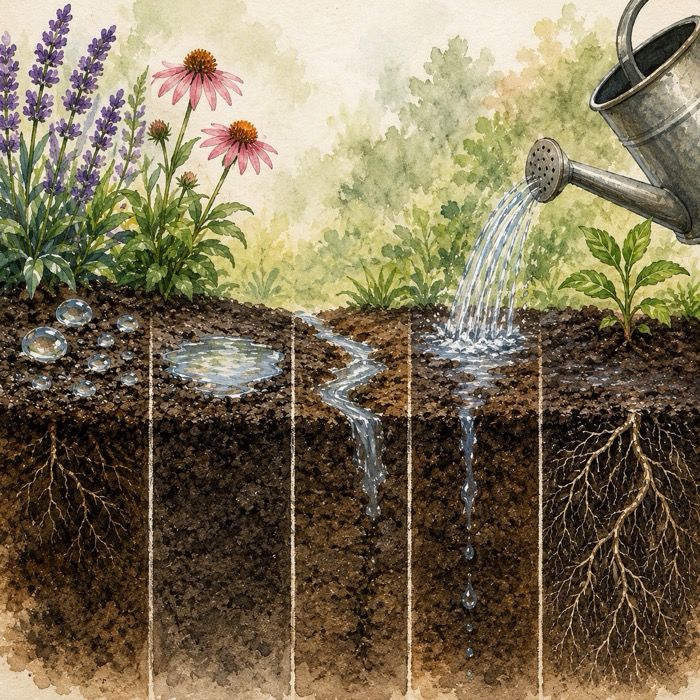
Why Won’t My Soil Absorb Water? What Your Garden Is Trying to Tell You

What Dragonflies Are Telling You About Your Garden
How to Use a Garden Tool Care Kit