If you’ve ever planted marigolds next to your tomatoes because someone told you it “just works,” you’re not alone. Companion planting is one of the most talked-about techniques in vegetable gardening — and also one of the most misunderstood.
The internet is full of companion planting charts that recycle the same tips without explaining why they work, or worse, without checking whether they actually do.
As a Master Gardener, I want to give you something better – a practical, science-backed guide that tells you exactly what to grow together, what to keep apart, and how to put it all into practice in your own garden – no guesswork required.
If you’re short on time, here are the most effective pairings to start with:
| Crop | Best Companion | Why It Works |
|---|---|---|
| Tomatoes | Basil + Marigolds | Pest control + yield boost |
| Carrots | Chives | Reduces carrot fly damage |
| Squash | Nasturtiums | Trap crop for aphids + repels squash bugs |
| Beans | Corn + Squash | Nitrogen fixing + space efficiency |
| Peppers | Basil + Spinach | Pest deterrence + soil coverage |
The 3 Biggest Companion Planting Mistakes
Most gardeners don’t fail at companion planting because the idea is wrong — they fail because of execution.
- Planting companions too far apart – If your marigolds are three feet away, they’re decoration — not protection.
- Mixing plants without understanding why – If you don’t know the mechanism behind the pairing, you can’t troubleshoot when it falls flat.
- Overcrowding in the name of efficiency – More plants does not always mean better results. Airflow and sunlight still matter.
Master Gardener Tip – Start with just one or two proven pairings, like tomatoes with basil and marigolds. Once you see how they behave in your own garden, you can build from there with confidence.
What Is Companion Planting (and Why Does It Actually Work)?
Companion planting is the practice of growing different plant species near each other to create mutual benefits. It’s not folklore – it’s ecology. Plants interact with their environment in complex ways: through root chemistry, scent, physical structure, and the insects and microbes they attract.
There are four main mechanisms that make companion planting work:
- Pest control – Some plants emit volatile compounds that confuse or repel harmful insects. Others attract beneficial predators, like parasitic wasps, that keep pest populations in check naturally.
- Soil enrichment – Certain plants, particularly legumes like beans and peas, form symbiotic relationships with nitrogen-fixing bacteria. Grown alongside heavy feeders, they act as a living fertilizer.
- Pollinator attraction – Flowering companions draw bees, butterflies, and other pollinators to your garden, which directly improves the yield of fruiting crops like squash, cucumbers, and peppers.
- Space efficiency – Plants with different growth habits – tall and short, deep-rooted and shallow – can share space without competing, allowing you to grow more in the same square footage.
Did You Know? Some companion plant relationships are measurable — not just anecdotal. In controlled trials, basil interplanted with tomatoes has been shown to increase yield and reduce pest pressure. The strongest pairings usually have a biological reason behind them — not just tradition.
This approach isn’t new. The most famous example is the Three Sisters – corn, beans, and squash – a companion planting system developed by Indigenous peoples of North America thousands of years ago. Corn provides a structure for beans to climb, beans fix nitrogen that feeds the corn and squash, and squash spreads along the ground suppressing weeds and retaining moisture. It’s a closed-loop system that has fed communities for centuries.
The Best Companion Planting Combinations (By Vegetable)
Let’s get into the specifics. Here are the most commonly grown vegetables, their best companions, and – just as importantly – what to keep away from them.
Tomatoes

Tomatoes are the crown jewel of most vegetable gardens, and they have some of the best-documented companion relationships.
- Basil – The most famous pairing in the garden. Studies suggest basil may improve tomato flavor and repel thrips and aphids. A 20% increase in tomato yield has been reported in trials with basil interplanted nearby. Plant basil 12–18 inches from your tomato plants.
- Marigolds – French marigolds (Tagetes patula) release a chemical from their roots that deters root-knot nematodes, one of the many reasons they’re considered essential in marigold growing guides. They also attract hoverflies, whose larvae eat aphids.
- Carrots – Carrots loosen the soil around tomato roots. They may not reach full size when grown beneath a tomato canopy, but they’re still earning their keep underground.
- Borage – Repels tomato hornworm and attracts pollinators. Borage also accumulates trace minerals and adds them back to the soil when it decomposes.
Master Gardener Tip – If you’re planting basil with tomatoes for pest control, don’t tuck it too tightly under the canopy. Basil needs airflow and sunlight to produce the aromatic oils that do the real work.
Avoid – Fennel, brassicas like cabbage and broccoli, and corn. Fennel is allelopathic, brassicas compete for nutrients, and corn attracts the same pest as tomatoes – the corn earworm, also known as tomato fruitworm.
Peppers
Peppers are closely related to tomatoes and share many of the same companion preferences.
- Basil – Repels aphids, spider mites, and mosquitoes. It may also improve the flavor of peppers grown nearby.
- Carrots – Help break up compacted soil and improve drainage around pepper roots.
- Marigolds – Deter nematodes and aphids. Plant them as a border or tuck them among the peppers themselves.
- Spinach – A great low-growing ground cover under peppers. It helps hold moisture, suppress weeds, and is usually harvested before peppers fully leaf out.
Avoid – Fennel and brassicas, which tend to compete heavily with peppers for nutrients and space.
Squash and Zucchini
Squash are big, sprawling plants that benefit enormously from companions that attract pollinators. Without adequate pollination, you often end up with misshapen fruit or no fruit at all.
- Nasturtiums – A powerhouse companion. They repel squash bugs and aphids, and they act as a trap crop because aphids often prefer them over your vegetables.
- Beans – Fix nitrogen in the soil, which squash needs in abundance. This is the heart of the Three Sisters planting method.
- Dill – Attracts predatory insects like parasitic wasps that prey on squash vine borers.
- Marigolds – Help deter cucumber beetles, one of squash’s most damaging pests.
Avoid – Potatoes, since both crops are susceptible to blight and can intensify disease pressure when planted together.
Carrots
Carrots are a root crop that benefit most from companions that reduce pest pressure above ground – especially carrot fly, which is one of the biggest frustrations for home growers.
- Chives – Research has shown up to a 70% reduction in carrot fly damage when chives are interplanted with carrots. Their strong scent masks the carrot’s chemical signal.
- Rosemary – Its aromatic oils can also help confuse carrot fly. Plant it near the border of your carrot beds.
- Leeks – Leeks repel carrot fly while carrots help repel leek moth and onion fly. It’s one of the best examples of mutual defense in the vegetable garden.
- Tomatoes – The light shade from tomato plants can help slow carrot bolting in warm weather.
Master Gardener Tip – Carrot fly is attracted by scent, not sight. After thinning or harvesting carrots, water the area right away to help suppress that scent signal.
Avoid – Mature dill, which can inhibit carrot germination, and parsnips, which share the same pests and increase risk.
Beans and Peas (Legumes)
Legumes are some of the most generous companions in the garden. They give more than they take, enriching the soil for whatever grows nearby.
- Corn – Beans climb naturally up corn stalks and fix nitrogen that corn needs heavily.
- Squash – The squash canopy holds soil moisture and suppresses weeds, creating ideal conditions for bean roots.
- Carrots and beets – Beans improve fertility around root crops without competing for the same resources.
- Potatoes – Beans may help repel Colorado potato beetle.
Avoid – Onions, garlic, chives, and fennel. Alliums can stunt bean growth, and fennel inhibits germination and growth for many crops.
Herbs and Flowers That Help (Almost) Everything
Some companion plants are so broadly beneficial that they deserve a permanent place in nearly every vegetable garden.
- Marigolds (Tagetes spp.) – French marigolds produce thiophene, a nematode-deterring compound, from their roots. Plant them throughout your beds, not just as a border.
- Basil – Works beautifully with nightshades and many herbs. Its aromatic oils confuse a wide range of pest insects.
- Nasturtiums – A trap crop favorite. Aphids are strongly attracted to nasturtiums and will often colonize them before your vegetables.
- Dill – Attracts lacewings, hoverflies, parasitic wasps, and predatory beetles. Use it near pest-prone crops, but watch for self-sowing if you let it go to seed.
- Borage – Attracts bumblebees more reliably than almost any other garden flower and can later be chopped and dropped as a mineral-rich mulch.
Master Gardener Tip – Marigolds only work if they are truly interplanted, not just lining the edge like a decoration. Think of them as part of the crop.
What NOT to Plant Together (The Mistakes That Cost You a Harvest)
This is the part most gardeners overlook. Some plant combinations actively harm each other, and knowing what to separate is just as important as knowing what to group together.
- Fennel and almost everything – Fennel is strongly allelopathic, releasing compounds that inhibit the growth of many nearby plants including tomatoes, beans, peppers, and herbs.
- Onions, garlic, and leeks near beans and peas – Alliums consistently stunt legumes and interfere with root development.
- Too many brassicas together – Broccoli, cabbage, kale, cauliflower, and Brussels sprouts all attract the same pests, creating a concentrated target.
- Potatoes and tomatoes – Both are nightshades and both are highly susceptible to blight. If one gets hit, the other often follows.
- Mature dill and carrots – Mature dill can slow carrot germination and growth, especially in succession-sown beds.
Master Gardener Tip – If you love fennel, grow it — just isolate it completely. Treat it like mint and give it a container or its own dedicated bed.
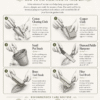
Free Printable Companion Planting Chart

The chart covers 20 common vegetables with their top three companions and plants to avoid. It’s formatted as a simple two-page reference sheet you can print and keep in your garden journal or tack up in the potting shed.
How to Plan Your Companion Planting Layout
Knowing which plants go together is one thing. Fitting them all into a workable garden bed is another.
- Start with your anchor crops – Identify your most important vegetables first, usually tomatoes, squash, or beans, and build companions around them.
- Think in layers – Tall plants at the back or center, medium plants in the middle, and low-growing companions as living mulch or edge softeners.
- Rotate companions with your crops – Companion planting doesn’t replace crop rotation — it works alongside it. Move both the crop and its support system when you rotate beds.
Frequently Asked Questions
Does companion planting actually work?
Yes, with caveats. Some pairings have strong scientific support, like marigolds for nematode control and chives for reducing carrot fly damage. Others are less studied but still supported by generations of observation. The key is understanding the mechanism behind the pairing.
What is the best companion plant for tomatoes?
Basil and French marigolds are among the best-supported choices. Basil helps with above-ground pest deterrence and may improve flavor and yield, while marigolds can help below the soil line with nematode pressure.
Can I companion plant in raised beds?
Absolutely. Raised beds are ideal for companion planting because you have more control over spacing and soil — especially if you’re following a structured raised bed setup. A 4×8 bed can easily support tomatoes with basil, marigolds at the corners, and nasturtiums spilling from the edges.
Can I companion plant in containers?
Yes, with some limitations. Aromatic herbs near pest-prone crops tend to work best in containers – basil next to tomatoes, chives near carrots, or a pot of marigolds placed close to your vegetables. The main thing is proximity.
How close do companion plants need to be?
It depends on the mechanism. For root-based interactions like marigold nematode suppression, aim for 12–18 inches. For scent-based pest confusion, plants within two to three feet are usually effective. For pollinator attraction, the flower simply needs to be visible and accessible in the garden.
The Bottom Line
Companion planting isn’t magic – it’s ecology made practical. When you understand what your plants need, what pests threaten them, and what chemistry they’re producing, putting the right plants together becomes much more intuitive.
Start with the pairings that have the strongest evidence – marigolds with most vegetables, basil with tomatoes and peppers, chives with carrots, and nasturtiums wherever you have aphid pressure. Keep fennel isolated, keep alliums away from legumes, and keep your nightshades separated.
And grab the free chart below – it’ll save you a lot of second-guessing at planting time.
Download the free companion planting chart →
Written by Stephen Boals, Master Gardener.

More From Our Master Gardener





Special Gifts for Gardeners
Shop Our Gardening Gift Boxes

5 Star Reviews for Our Hori Hori