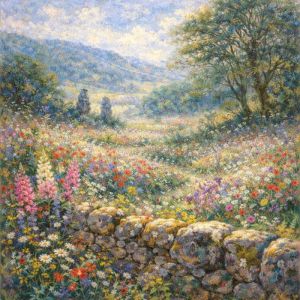
In a gardening world long dominated by clipped lawns and rigid borders, an older wisdom is quietly returning: letting nature lead. Often called chaos gardening, this approach replaces strict control with observation, resilience, and diversity. When practiced intentionally, it mirrors the layered, living landscapes of Celtic regions—meadows, hedgerows, and woodland edges where plants coexist, reseed, and support wildlife with minimal intervention.
This isn’t neglect. It’s ecological gardening.
Chaos gardening the Celtic way embraces intentional wildness: broadcasting diverse seed mixes, favoring native and well-adapted plants, and allowing natural selection to shape the garden over time. The reward is a self-sustaining meadow that feeds pollinators, improves soil health, and evolves season by season—beautiful, resilient, and surprisingly low maintenance.
Why Your Garden Needs a Bit of Celtic Chaos
Historic Celtic landscapes were never monocultures. They were mosaics—rough pasture blending into wildflower meadows, stone boundaries sheltering herbs, and paths winding through untamed growth. These systems thrived because they worked with natural processes instead of against them.
- Supports bees, butterflies, hoverflies, birds, and beneficial insects
- Reseeds naturally, reducing yearly planting and cost
- Uses far less water once established
- Eliminates the need for synthetic fertilizers or pesticides
- Creates beauty through movement and seasonal change
How Chaos Gardening Works – And Why It’s Not Lazy
Chaos gardening relies on diversity and succession, not disorder. Seeds are broadcast rather than planted in rows, allowing plants to sort themselves based on soil, moisture, light, and competition.
Annuals fill space quickly. Biennials and perennials establish deep roots. Weak performers fade. Strong, well-adapted plants persist. That’s not randomness — that’s natural selection at work.
Getting Started – Scattering Seeds for a Self-Sustaining Meadow
- Mow existing vegetation low and remove heavy thatch
- Lightly loosen the soil surface (no deep tilling needed)
- Mix seed with dry sand or compost for even distribution
- Broadcast in fall or early spring
- Water lightly until germination, then allow rainfall to take over
Master Gardener Tip – The First-Year Rule
Chaos gardens often look unfinished in year one. Roots are developing underground. Year two is when bloom cycles, structure, and pollinator activity truly emerge.
Chaos Gardening Flower Examples by USDA Zone
Toxic plants are clearly flagged, with pet-friendly alternatives provided.
Zones 3–5 – Cooler Climates
- Black-Eyed Susan – non-toxic
- Purple Coneflower – non-toxic
- New England Aster – non-toxic
- Cornflower – non-toxic
- ⚠️ Foxglove – highly toxic if ingested. Alternative: Bee Balm or Penstemon
- ⚠️ Lupine – seeds mildly toxic. Alternative: Prairie Clover or Wild Bergamot
- ⚠️ Oxeye Daisy – mild irritation risk. Alternative: Shasta Daisy or native asters
Zones 6–8 – Moderate Climates
- ⚠️ Milkweed – toxic if ingested. Alternative placement: fenced pollinator strip
- Bee Balm – non-toxic
- Coreopsis – non-toxic
- ⚠️ California Poppy – mild toxicity. Alternative: Blanket Flower
- Cornflower – non-toxic
- Plains Coreopsis – non-toxic
- Purple Prairie Clover – non-toxic
Zones 9–10 – Warm Climates
- Blanket Flower – non-toxic
- ⚠️ California Poppy – mild toxicity. Alternative: Cosmos
- ⚠️ Yarrow – mild dog sensitivity. Alternative: Zinnia or Cosmos
- Cosmos – non-toxic
- ⚠️ Blue Flax – seeds mildly toxic. Alternative: Gaura or Coreopsis
- Mexican Sunflower – non-toxic
- Scarlet Sage – non-toxic
Did You Know?
- Native bees often outperform honeybees in pollination efficiency
- Monarch butterflies require milkweed to reproduce
- Leaving seed heads feeds birds through winter
- Dense planting suppresses weeds naturally
- Meadow gardens cool surrounding air better than lawns
A Living Tapestry, Not a Finished Design
A Celtic chaos garden is never complete. Each season reshapes the landscape. By giving up a little control, you gain resilience, biodiversity, and beauty that deepens year after year.
Embrace the wild. Your pollinators—and your pets—will thank you.


More From Our Master Gardener




Special Gifts for Gardeners
Shop Our Gardening Gift Boxes

5 Star Reviews for Our Hori Hori
Recent Posts

What Does “1 Inch of Water” Really Mean in Gardening? (And How to Measure It)

Spider Mites on Dahlias — How to Spot Them Before They Destroy Your Plants
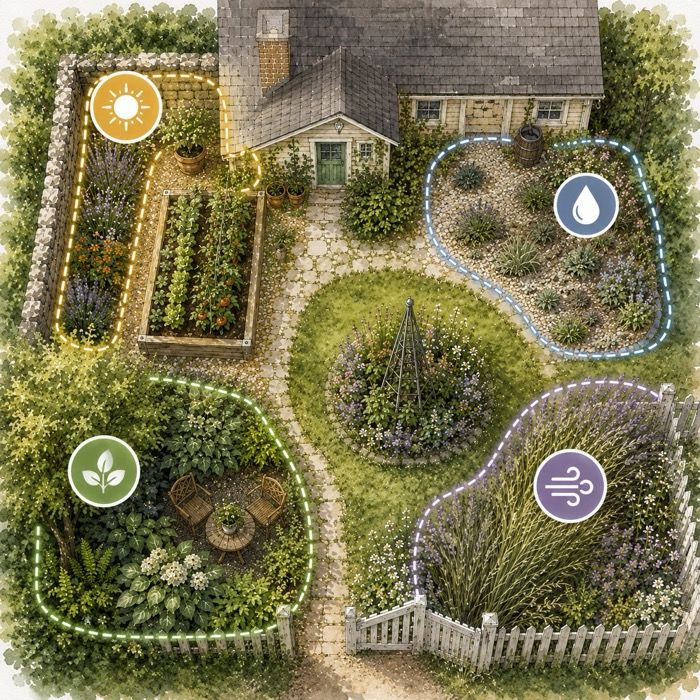
Garden Microclimates: How to Find and Use the Hidden Climate Zones in Your Yard
Bark vs Wood Chips vs Straw — Which Mulch Actually Works Best?

Why Your Tomatoes Split, Crack, and Rot — And the Simple Fix Most Gardeners Miss